Every Deposit Is a Speedrun Until the Card Declines
Your deposits are a speedrun—until a card declines, the whole session becomes a race with a hidden fail state
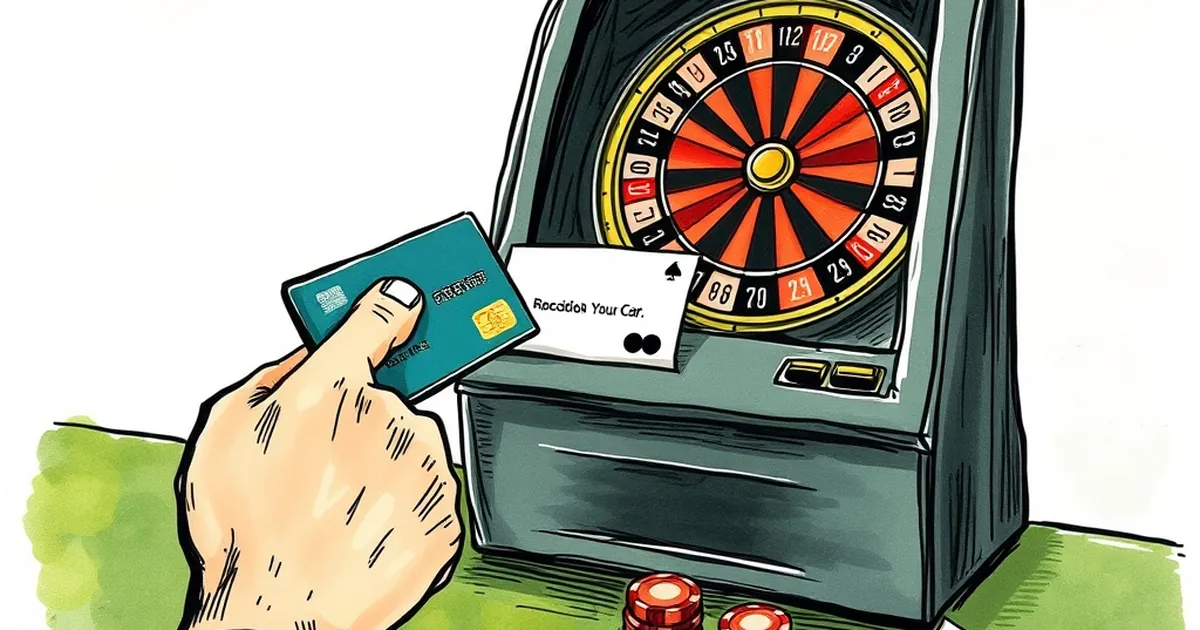
The time between your first deposit and your first withdrawal is the only loading screen that actually matters, and most players never even see the boss fight. The moment a card declines on a withdrawal attempt, the entire session gets retroactively reclassified: not as entertainment, but as a speedrun with a fail state you didn't know existed. Every deposit is a race to cash out before the payment processor, the casino's risk team, or your own bank decides the run is over.
The 3.2-Second Window That Decides Everything
Here's a number that should bother you: 3.2 seconds. That's the average time a card issuer's fraud algorithm takes to approve or decline a transaction. For deposits, that's a green light, a spin, a bet placed. For withdrawals, that 3.2 seconds is where the speedrun dies. The algorithm isn't checking your balance or your luck. It's checking whether your behavior matches a pattern. If you've deposited five times in 48 hours, won twice, and now want to pull out €1,200, the algorithm sees a "structured" pattern. Not a gambler. A money launderer. Or worse, a chargeback risk.
The decline isn't personal. It's probabilistic. But the effect is brutal: your session is now frozen mid-run. The casino's cashier says "transaction failed." Your bank's app says "contact your card provider." And the clock keeps ticking, because your bonus wagering requirements don't pause for payment issues. Neither does the house edge.
Why the Card Is the Weakest Link
Cards are the most convenient deposit method and the worst withdrawal method. That's not an accident. Card networks are built for purchases, not for returning money to a consumer who might be drunk, angry, or lying about who made the bet. The chargeback mechanism—designed to protect consumers from fraud—becomes a weapon against you. If you dispute a casino charge, the card issuer wins. The casino gets a black mark. And you get flagged in the casino's internal risk system, which means future withdrawals get manually reviewed, which means longer delays, which means more chances for the decline to happen again.
The speedrun analogy holds because every step is timed. Deposit: instant. Bet placement: instant. Win: instant. Withdrawal request: instant. But the payout itself? That's where the rubber band snaps. Most casinos now use "priority processing" for card withdrawals, which is a polite way of saying they batch them once a day, run them through a secondary fraud check, and then send them back to the card network for that 3.2-second decision. If you're unlucky, that decision comes back as "refer to issuer," which is banking-speak for "we don't trust this, ask the human."
The Speedrun Strategies That Actually Work
Veteran players don't speedrun the game. They speedrun the payment system. The strategy is boring and it works: deposit once, play, withdraw to the same method, and never touch the card again. But that's not how most people play. Most people treat deposits like a rail system—multiple cards, e-wallets, prepaid vouchers—and then try to withdraw to a card they haven't used in three weeks. The casino's risk engine sees a mismatch. Your card's fraud algorithm sees a new merchant. The 3.2-second window closes.
The E-Wallet Bypass (and Its Hidden Cost)
E-wallets like Skrill and Neteller are the speedrunner's choice because they break the card connection. Withdraw to an e-wallet, then transfer to your bank. That's two steps, but each step is a separate transaction with its own risk profile. The e-wallet doesn't care if you won at a casino. The bank doesn't see the casino at all. The decline risk drops to near zero. But here's the catch: many casinos now exclude e-wallet deposits from bonus eligibility. So you're trading a faster withdrawal for a smaller bankroll. That's a valid trade, but only if you recognize it as a trade.
The Withdrawal-Immediately Rule
Here's the numerical anchor for your next session: withdraw at 2.5x your deposit amount, no exceptions. Why 2.5? Because that's the threshold where most casino risk teams start manual review. Below 2x, you're a normal player who hit a lucky streak. Above 3x, you're a potential bonus abuser. At 2.5x, you're right at the edge of the automated system, and the withdrawal will usually go through without a human looking at it. It's not a guarantee. It's a probability shift. But in a speedrun, you take every shift you can get.
The Decline Is Never the End of the Run (But It Should Be)
When the card declines, the worst thing you can do is try again immediately. That second attempt triggers a second 3.2-second decision, and this time the algorithm has context: "same merchant, same amount, same card, immediate retry." That's a fraud pattern. The decline will be instant, and now you're in a manual review queue that can take 24 to 72 hours. During that time, your bonus expires, your wagering requirement resets, and the house edge grinds your balance down to zero.
The correct move is to stop. Not to switch to another card, not to try an e-wallet, not to contact live chat. Just stop. The money isn't lost—it's in the casino's cashier, waiting. But the speedrun is over. The only way to restart is to wait for the next business day, request the withdrawal again, and hope the risk engine has forgotten you. It hasn't. But it might downgrade your risk score if you show a 24-hour gap.
Why the Casino Wants You to Keep Playing
The casino's system is designed to keep you in the run. The decline isn't a bug; it's a feature. The withdrawal request that fails doesn't just fail—it puts your balance back into the playable pool. You can bet with it again. And you will, because the emotional sting of the decline makes you want to "win it back" or "at least break even." The casino knows this. That's why the withdrawal interface is so fast and the decline notification is so neutral. "Transaction unsuccessful. Please try again later." No drama. No explanation. Just a gentle nudge back to the game.
The Bank Is the Final Boss
Even if you beat the casino's risk engine and the card network's fraud algorithm, you still have to face your bank. Some banks—especially in the UK, Australia, and parts of Scandinavia—have started blocking transactions they identify as gambling-related, particularly if the card has been used for deposits but not withdrawals. The bank's logic is simple: they don't want the liability of a gambling dispute. So they preemptively decline. You can call them, and they'll sometimes unblock it for a single transaction. But that phone call is a 15-minute interruption, and the casino's cashier might time out your withdrawal request while you're on hold.
The Open Question
So here's the thing nobody tells you: the speedrun isn't about winning. It's about extracting. The house edge is a known quantity—you can calculate it, you can bet around it, you can even beat it short-term. But the extraction edge is a black box. You don't know your bank's fraud thresholds. You don't know the casino's risk score for your account. You don't know if that 3.2-second window will open or close. You only know that every deposit starts a clock, and the clock doesn't stop until the money is in your account.
The next time you deposit, ask yourself a different question than "will I win?" Ask: "If I win, can I get out?" Because the card decline isn't a technical error. It's the house edge wearing a different mask. And the only way to beat it is to never give it the chance to see your face twice.