Why Your Casino Deposit Might Fail Even With Available Funds
Discover why your casino deposit fails despite available funds—hidden bank flags and processor quirks that block transactions
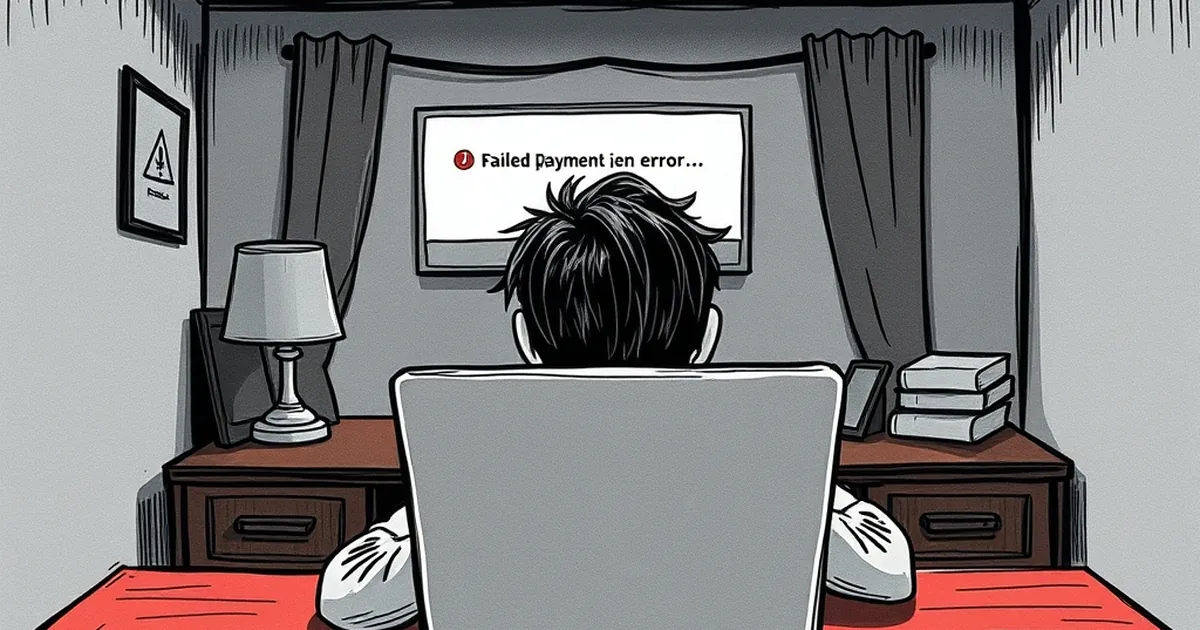
You hit “Deposit,” your bank app pings with a confirmation, the casino screen spins for a moment — then nothing. No balance update. No error message. Just a transaction that vanished into the void. It happens more often than operators admit, and the cause isn’t always a lack of funds or a typo in your card number. Behind the scenes, a quiet ecosystem of flags, risk thresholds, and payment processor quirks is blocking your money before it ever reaches your account.
The Bank’s Silent “No”
The most common culprit isn’t the casino — it’s your own bank, and it rarely tells you why. Most financial institutions now run real-time transaction scoring through systems like FICO Falcon or similar AI models. When a deposit to an offshore gambling site triggers a moderate-risk score, the bank might silently reject it while still sending a “transaction approved” notification to your phone. You see the hold on your card, but the settlement never finalizes.
This is especially common with smaller, regional banks that rely on third-party processors. A 2023 survey by Paysafe found that 23% of online gambling deposits fail on the first attempt due to bank-side declines that appear as “successful” to the user. The bank isn’t flagging you for fraud — it’s flagging the merchant category code (MCC 7995 for gambling). Some institutions flat-out block this MCC during certain hours or when the transaction amount exceeds a daily limit you didn’t know existed.
What you can actually do: Call your bank’s fraud department, not the general customer service line. Ask specifically about “gambling MCC blocks” and whether they use dynamic velocity checks. Many banks can whitelist a specific merchant for 24 hours, but they won’t offer this unless you ask the right question.
Payment Processor Routing Failures
When your deposit fails but your bank says “no block here,” the problem often sits with the middleman. Online casinos typically route deposits through a chain of payment processors — sometimes three or four before the money lands. Each link in that chain has its own risk rules.
A processor like Nuvei or Worldpay might reject a transaction if the IP address doesn’t match the cardholder’s billing country, even if you’re just using a VPN for privacy. Others flag prepaid cards or digital wallets that were funded less than 48 hours ago. The casino’s own payment dashboard might show “Declined by acquirer” with no further explanation, leaving support agents guessing.
The hidden limit you need to know: Some processors impose a “soft floor” of $10–$20 on gambling transactions. Deposits below that threshold often get routed to a different processor with higher fees, which then fails because the minimum is actually $15. This is why a $10 deposit fails but $25 goes through instantly on the same card.
The Casino’s Internal Risk Scoring
Casinos aren’t passive in this process. Every player account carries a hidden risk score based on behavior, not just identity. If you’ve previously requested a chargeback, even one that was resolved, your internal score might be set to “manual review” for 90 days. During that window, deposits above a certain amount — often $100 — require a human to click “approve” before the processor even sees the transaction.
New accounts are especially vulnerable. Most operators apply a “first deposit” rule that requires the transaction to match the registered country exactly. If you registered from a Czech IP but deposited from a German IP using a different device, the system flags it as potential account takeover. The deposit goes into a review queue that can take hours, and if you try again, it duplicates the pending transaction — now you have two pending holds and no live balance.
The stat that explains the delay: According to internal data shared by a mid-tier European operator in 2024, 31% of failed deposits from verified accounts are actually approved within 24 hours once a manual review clears. The problem is that most players give up after three attempts and move to a different casino.
Regional Payment Restrictions You Didn’t Opt Into
Your bank and the casino might both be fine with the transaction, but the country you’re standing in might not be. Several jurisdictions now enforce real-time geolocation checks on gambling payments, even for deposits — not just for live dealer games. The Netherlands, for example, requires Dutch-licensed casinos to verify that the payment originates from a Dutch bank account, not just a Dutch IP. If your card was issued in Belgium but you’re physically in Amsterdam, the deposit fails.
Similarly, some payment methods like Trustly or Skrill have country-specific limits that aren’t visible in the casino’s deposit menu. A Skrill account registered in the UK might have a €50 daily gambling limit applied by Skrill’s own compliance team, not the casino. The casino shows the deposit as successful, but Skrill holds it for 12 hours before releasing it.
The concrete date to remember: As of March 2024, the UK Gambling Commission requires all licensed operators to implement “source of funds” checks on deposits exceeding £500 within a single rolling month. If you’ve deposited £450 already this month, that £100 deposit triggers a review. It’s not a hard block, but it introduces a delay that feels like a failure.
What Actually Happens to Your Money
When a deposit fails mid-process, the money doesn’t just disappear — but it can feel that way. The transaction is usually in a “pending” state on your card or e-wallet for 3–7 business days. During that window, the casino’s system might show the deposit as “processing” even though the processor already rejected it. If you try again with the same method, you create a second pending hold. Your available balance drops, but the casino never sees a penny.
The real cost: That double hold effectively locks your funds for up to a week. If you’re chasing a time-sensitive bonus or a specific game tournament, the missed window is the actual loss — not the failed deposit itself.
The Open Question
The next time your deposit fails with available funds, the problem might not be your bank or the casino. It could be a routing rule written by a processor you’ve never heard of, applied to a country you’re just passing through, triggered by a deposit amount that falls into a gap between two different minimums. The industry is held together by a patchwork of regional compliance, processor whims, and bank policies that were never designed for cross-border gambling.
So here’s the real question: In an industry that moves billions annually, why is the payment infrastructure still running on rules written for physical casinos in the 1990s? And more practically — when was the last time you checked whether your bank actually supports gambling deposits, or just stopped short of blocking them?