Sportsbook void kicks in at 89 minutes; the refund at 3 days
A voided bet at 89 minutes still takes three business days to refund, and that gap between settlement and your balance catches many punters out
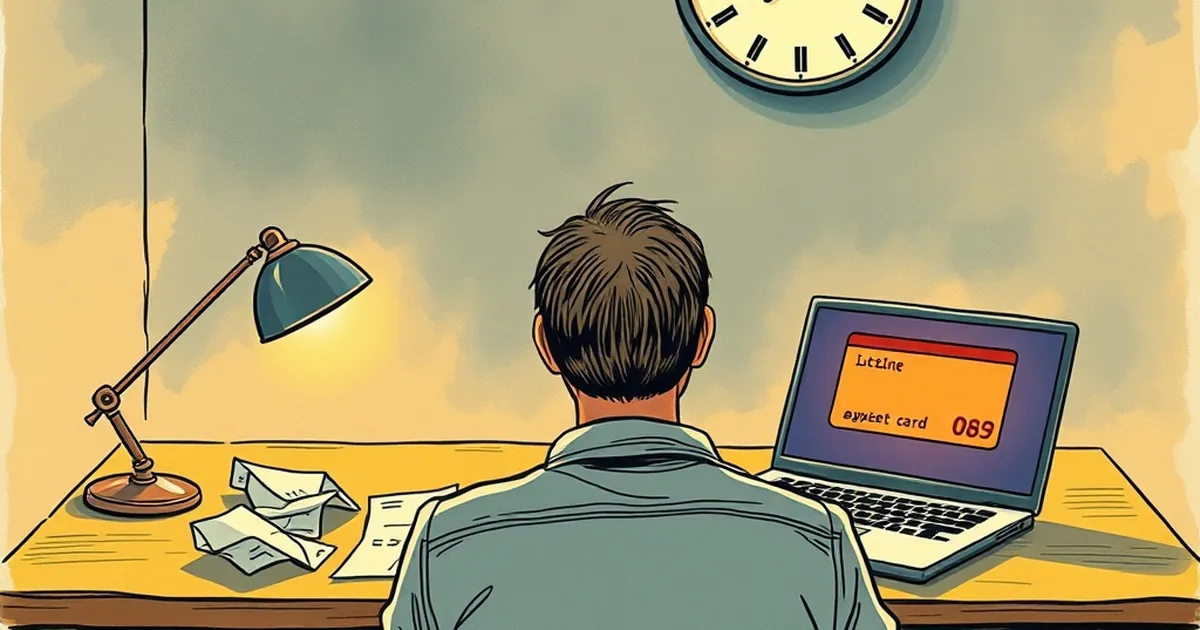
A sportsbook that voids a bet at the 89th minute owes you your stake back. What it doesn't owe you, in most rulebooks, is your stake back today. The gap between "void" and "refund" is where a lot of punters get caught out, and the number that matters isn't 89 — it's the three business days (sometimes five) that sit between the settlement decision and the money actually landing back in your account.
That sounds like a technicality until you're the one staring at a frozen balance on a Sunday night with a live in-play position you can't fund because £200 is "pending." So let's take the mechanism apart, because the 89-minute void and the three-day refund are two separate systems that only look related.
Why 89 minutes is the trigger, not the finish line
A void isn't a loss and it isn't a win. It's the book saying the market shouldn't have settled the way it did, or that the event didn't meet the conditions it set out when it priced the bet. The 89-minute mark shows up constantly because it's the point where a match is functionally decided but not yet officially over — and it's exactly where abandoned games, crowd trouble, floodlight failures, and VAR reversals tend to cluster.
Consider a fairly ordinary scenario. You back Over 2.5 goals at 1.85. The third goal goes in on 71 minutes. At 89 minutes the referee pulls both teams off after a section of the stand is cleared. The match is abandoned. Under most books' abandoned-match rules, markets that haven't been "conclusively determined" get voided — and the threshold for "conclusive" is usually full time, not the 89th minute. Your Over 2.5 is technically settled in your favour the moment the third goal crosses the line, so it survives. Your correct-score bet on 2-1 does not, because a fourth goal was still live. Same match, same abandonment, two different outcomes for two bets placed ten seconds apart.
That's the part casual bettors miss. The 89th minute isn't a rule; it's the observable symptom of a rule that says the market must reach its natural conclusion. Books publish this under headings like "Abandoned Events" or "Settlement Conditions," and the wording varies enough between operators that the same abandoned fixture can void at one book and stand at another.
The 89-minute grey zone in football specifically
Football is the worst offender because it has no fixed clock. Added time is discretionary, so "90 minutes" is a fiction the referee invents in real time. A book that voids at "89:00" is really voiding at "the moment before the outcome became mathematically locked," which is a judgement call, not a timestamp. If you're betting in-play around the 85th–90th minute, you're betting inside the jurisdiction of that judgement call.
The refund clock starts at settlement, not at the whistle
Here's the mechanical bit. When a book voids a bet, it doesn't push money back to your card or wallet instantly. It creates a void transaction in its ledger. That transaction then has to clear through the same payment rails as a deposit or withdrawal, and those rails have their own timelines.
A typical sequence looks like this:
- Minute 0 (event abandoned): Bet sits as "open" until the book's trading team formally confirms the abandonment and applies the rule. That confirmation might take 15 minutes or 24 hours, depending on whether the book waits for an official governing-body statement.
- Settlement: Bet flips to "void." Stake is credited to your sportsbook balance — not your bank.
- Withdrawal request: If you then withdraw, you enter the payment queue.
- Payout: Card withdrawals commonly take 1–3 business days. Bank transfers 1–5. E-wallets 0–24 hours, if the book supports them.
So the "three days" in the headline is the card/bank end of that chain, and it assumes you withdraw. If you leave the voided stake in your balance and bet it again, the refund has effectively been instant — you just never saw it as cash.
Where the three days actually comes from
It's not the book being slow for the sake of it. Card refunds run through the card networks' dispute and reversal infrastructure, which is built for chargebacks and merchant refunds, not for a bookmaker reversing a settled wager. Visa and Mastercard both publish refund windows measured in business days, and a bookmaker has no mechanism to compress that. The three-day figure is the card network's number, laundered through the operator's terms.
Some books sidestep this by crediting voids to the balance immediately and letting you withdraw instantly via e-wallet — which is why the same void can feel like a 10-minute fix at one operator and a four-day headache at another.
What actually changes your wait
If you want the shortest possible path from void to cash, three things matter more than anything in the marketing copy:
1. Payment method, not operator speed. An e-wallet withdrawal after a void is typically same-day. A card withdrawal is typically 1–3 business days. A bank transfer is 1–5. This is the single biggest variable and it has almost nothing to do with the sportsbook.
2. Whether you withdraw at all. A voided stake sitting in your balance is functionally refunded. The clock only starts when you request a payout. If you're going to re-bet anyway, the "three days" is a phantom delay you've imposed on yourself.
3. Whether the void is contested. If the book voids and you believe the market was conclusively determined, you're in dispute territory. That extends the timeline by weeks, not days, and it's where the published rules stop being a formality and start being the actual argument.
A 2023 example worth knowing
In August 2023, a number of European books voided markets on a top-flight fixture after it was suspended in the 88th minute due to a medical emergency in the crowd. Bets on the current scoreline were voided; bets on markets already decided (first-half result, for instance) stood. Punters who had backed the correct score and requested card withdrawals that same evening reported funds landing on the Wednesday — three business days later, matching the card-network window almost exactly. Nobody did anything wrong. The system just isn't built for speed.
The question the 89-minute rule really raises
The uncomfortable implication is that a void isn't a neutral event. It's a settlement decision made by the party that also holds your money, applied at a threshold that's inherently fuzzy, and then filtered through payment infrastructure that adds days you can't control or see. For a punter, the practical upshot is boring but real: know your book's abandoned-event wording before you bet in-play late, and know that "refunded" and "back in your account" are two different states that can be three days apart.
The open question is whether that gap is a fair cost of doing business or a structural advantage the house holds over the player. A void protects the book from a market it can't price. It also, briefly, gives the book custody of your stake with no obligation to return it at any particular speed. Whether regulators eventually force voided stakes to settle to the player's balance and be instantly withdrawable is the thing to watch — because right now, the 89th minute ends your bet, and the third business day ends your wait.