A 12-leg parlay pays in one click; the void leg takes 6 days
A 12-leg parlay settles in seconds, but a void leg can take six days to correct, leaving your balance and open bets quoting numbers that aren't final
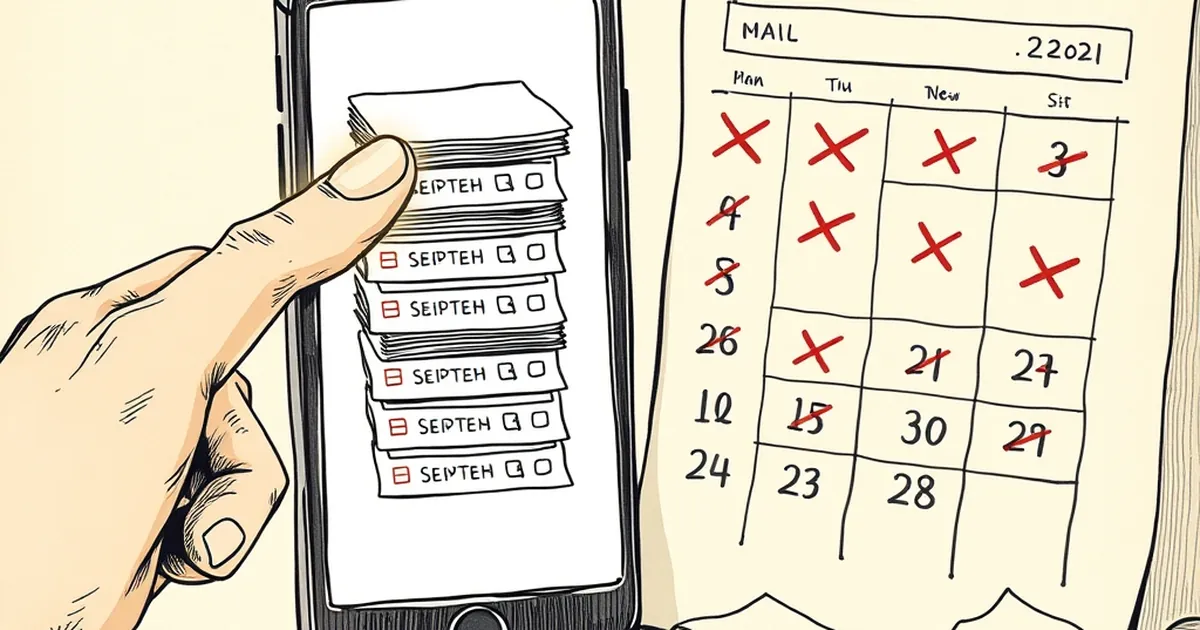
A 12-leg parlay settles the moment the last leg lands — usually within seconds of the final whistle, and often before you've closed the app. The void leg is different. When a market gets voided rather than settled, the correction can take six days to show up, and in that window your balance, your open bets, and your wagering progress are all quoting a number that isn't final. The bet slip is fast on the way in and slow on the way out, and that asymmetry is worth understanding before it costs you.
Settlement is a publishing process, not a math problem
It's tempting to think a sportsbook calculates your payout and pushes it to your account, the way a calculator gives you an answer. In practice, settlement is a pipeline: the result comes in from a data feed, a trading desk or automated rules engine grades the market, the graded result goes through a risk check, and only then does it hit your wallet. A 12-leg parlay touches twelve separate grading events, but they can run in parallel, which is why a clean slip pays in one click. Each leg resolves on its own clock, and the parlay settles when the slowest one does.
Voids break that parallelism. A void isn't a loss and isn't a win — it's the book saying the market never should have been offered, or the result can't be trusted. That means someone has to decide which legs are void, recalculate the parlay at the reduced odds, and republish. If your slip had a leg voided, the payout you saw at settlement was provisional, and the six-day figure is the time it takes for the correction to land in your balance.
The frustrating part is that the fast path and the slow path use the same interface. Nothing on the bet slip distinguishes "this is final" from "this is probably final." You find out by watching your balance move.
Why six days, specifically
There's no universal rule, but the pattern is consistent across jurisdictions. Books typically reserve a window to challenge or confirm a result — commonly 72 hours for a settled market, sometimes longer for events with a pending integrity review. Add a weekend, add a public holiday, add a manual review queue, and you're at five or six days. The 72-hour figure isn't a legal requirement in most markets; it's a contractual one, buried in terms most players scroll past.
The void leg is where the terms do the work
Most players read the bonus terms and skip the betting rules. That's backwards if you bet parlays. The clauses that matter are short and specific:
- What counts as void. A player withdrawal mid-match, a venue change, a result overturned on appeal, a market offered in error (a palpable error clause), or a data feed failure. Each book defines these slightly differently, and the definitions are where disputes live.
- How the parlay recalculates. Standard practice is to remove the void leg and reprice the remaining legs at the odds you took. A 12-leg slip that loses one leg becomes an 11-leg slip at shorter odds. Your potential return drops, and if the reduced odds fall below the minimum for the bet type, the whole thing may void to a stake return.
- When the correction happens. Some books adjust within hours; others batch corrections overnight or weekly. A six-day lag usually means a manual queue, not a technical limit.
The subtle risk is compounding. If you've already spent the provisional payout — cashed out, or used it to fund another bet — a downward correction can push your balance negative. Most books handle this by clawing back from future winnings rather than demanding a deposit, but the terms vary, and a negative balance can lock your account until it's resolved.
Cash-out makes it worse, not better
Cash-out looks like an escape hatch from a pending void, but it usually isn't. Most books void a cash-out if a leg is later voided, and some will reverse the cash-out entirely and re-settle the original bet. If you cashed out a parlay at a price that assumed a leg would stand, and that leg later voids, you may find the cash-out unwound days after you thought the money was yours. The faster the cash-out, the more likely it is to be provisional.
The numbers behind the lag
Here's the anchor worth remembering: a void correction that arrives on day six has been sitting in a queue for roughly 144 hours, and in that time your displayed balance has been wrong. For a player running a 12-leg parlay at average odds, a single voided leg can cut the potential return by 30–60%, depending on which leg drops out. The leg with the longest odds is the one that hurts most when removed, because repricing at the remaining odds strips out the biggest multiplier.
The asymmetry is structural. Settlement is automated because it's high-volume and low-dispute. Voids are low-volume and high-dispute, so they get human review. A book that settles 50,000 parlays a day can't put a person on each one, but it can put a person on the handful of contested voids. That's the six days.
It's also why the fast path feels so good. The same infrastructure that pays a 12-leg parlay in one click is the infrastructure that, on the slow path, leaves you refreshing a balance that hasn't caught up. Speed on settlement is a feature; speed on correction is a liability, and books have no incentive to make the second one faster.
What to actually do about it
You can't eliminate the lag, but you can stop being surprised by it.
Treat provisional payouts as provisional. Until a settlement is marked final — and most books do eventually mark it — don't commit the money. If you're moving funds between accounts or sizing the next bet off a recent win, leave a buffer.
Check the void rules before you build the slip. If you're betting markets prone to voiding — weather-affected events, markets with late lineup news, anything with a palpable error clause — know how your book reprices. Some books void the whole parlay to stake if any leg voids; others reprice. The difference is large.
Watch the wagering clock. If you're clearing a bonus, a provisional payout may count toward your wagering requirement before it's final. A downward correction can leave you short of the target with the deadline approaching, and most books won't extend it.
Keep records. Screenshot the settlement and the stated odds. If a correction arrives six days later and the math looks off, you'll want the original numbers. Disputes are winnable when you have the receipt and loseable when you don't.
And the usual caveat applies with more force here than elsewhere: the reason the six-day lag matters is that it tempts you to bet against money you don't quite have yet. That's how a fast settlement turns into a slow problem. Set limits on what you'll stake on parlays specifically, not just overall, because the provisional-payout trap is a parlay problem.
The open question
The real question isn't why voids take six days — it's why the interface doesn't tell you they might. A bet slip could show a "provisional" flag on any settlement with a leg under review, the way a bank shows a pending transaction. Books have the data; they choose not to surface it, because a pending flag invites you to wait, and waiting is bad for volume.
So the next time a 12-leg parlay pays in one click, ask yourself what the click actually settled. If the answer is "everything except the leg that might void," you're not looking at a payout. You're looking at a quote. The six days are the market telling you which one it was — and whether you'll still be holding the same number when it's done.