Why Your First Casino Deposit Feels Like a Trust Test
Understanding why your first casino deposit feels like a trust test, and how that hesitation signals smart decision-making
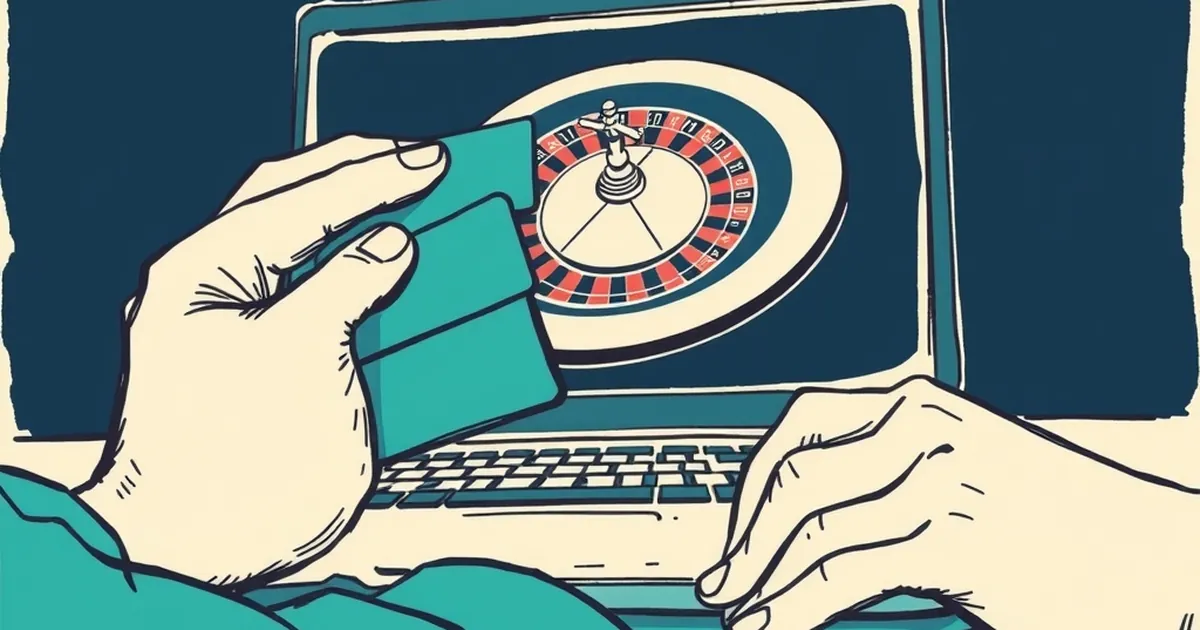
The first time you move money from your bank account into an online casino, something strange happens. It’s not the excitement of a potential win or the adrenaline of picking a game—it’s a quiet, nagging hesitation. You stare at the deposit screen, double-check the amount, and wonder if you’re being smart or foolish. That moment feels less like a transaction and more like a leap of faith.
That hesitation is completely normal, and it’s actually a sign that you’re paying attention. Unlike buying a coffee or subscribing to a streaming service, a casino deposit asks you to trust a platform with your money before you’ve seen any return. There’s no physical product, no immediate service—just a promise. And in a digital world full of scams, that promise can feel thin.
The good news is that the industry has evolved far beyond the shady corner-of-the-internet reputation it once had. Modern platforms invest heavily in security, licensing, and user experience because they know the first deposit is a make-or-break moment. When you choose a well-reviewed operator, that trust test becomes a lot easier to pass.
The Psychology of the First Deposit
Let’s be honest: the hesitation isn’t just about security. It’s also about loss aversion, a psychological quirk that makes the pain of losing feel twice as strong as the joy of winning. When you deposit, you’re mentally preparing for the possibility that the money might disappear—not because of a scam, but because that’s just how gambling works sometimes.
This is why the first deposit feels different from, say, funding a stock trading account. Stocks feel like an investment with a logical trajectory. Casino deposits feel like a gamble on two levels: the games themselves, and the platform’s integrity. You’re essentially asking, “Will this site treat me fairly?” before you even ask, “Will I win?”
Smart operators understand this and respond with transparency. They display their licenses, their payout percentages, and their customer support channels front and center. They know that reducing friction at the deposit stage isn’t about hiding risks—it’s about building a foundation of trust that makes the experience enjoyable rather than stressful.
What Makes a Platform Worth Trusting
Licensing and Regulation Are Non-Negotiable
The single biggest factor that separates trustworthy casinos from questionable ones is licensing. A legitimate platform will hold a license from a recognized regulatory body, such as the UK Gambling Commission, the Malta Gaming Authority, or the Gibraltar Regulatory Authority. These licenses aren’t just decorative—they require regular audits, fair play certifications, and strict adherence to anti-money laundering laws.
When you see a license listed, it means the platform is accountable to someone other than itself. If something goes wrong, you have a regulatory body to appeal to. That’s a powerful safety net that many other online services simply don’t offer.
Payment Security Is a Two-Way Street
Your first deposit also tests how seriously the platform takes your financial data. Look for sites that use SSL encryption, offer multiple trusted payment methods (like Visa, Mastercard, PayPal, or reputable e-wallets), and clearly display their withdrawal policies before you commit a single dollar.
A platform that hides its withdrawal terms behind a maze of fine print is a red flag. A platform that lets you see exactly how long payouts take, what fees apply, and what verification documents you’ll need is showing you respect. That transparency is the difference between a trust test and a trust trap.
The Role of Reviews and Community Feedback
You don’t have to go into the first deposit blind. The online gambling community is vocal, and independent review sites have done the heavy lifting for you. Reading about other players’ experiences—both good and bad—gives you a realistic picture of what to expect. This is where a resource like YesBet can be genuinely helpful, offering a detailed breakdown of what a platform does well and where it falls short.
A good review will cover not just the games and bonuses, but the customer service response times, the fairness of the terms, and the actual payout speed. That kind of ground-level intel turns your trust test into an informed decision, which is exactly how it should be.
The Hidden Costs of Being Too Cautious
Now, it’s worth talking about the flip side: being too cautious can backfire. Some players avoid the first deposit for so long that they never actually experience a platform. They stick to free play mode, which is fine for learning the rules, but it doesn’t teach you anything about the real-world experience—how fast withdrawals process, how responsive support is, or how the platform handles a dispute.
A first deposit doesn’t have to be a life-changing amount. In fact, the smartest approach is to start small. Treat your first deposit as a research expense, not a gambling budget. You’re paying a small amount to test the waters: the interface, the game quality, the payout speed, and the overall feel of the platform. If it passes the test, you can deposit more with confidence later.
How to Make the First Deposit Less Painful
Set a Budget Before You Open the App
The easiest way to reduce deposit anxiety is to decide exactly how much you’re willing to spend before you even log in. This isn’t about limiting your fun—it’s about removing the emotional weight from the decision. When you’ve already decided that $50 is your testing budget, hitting the deposit button feels like any other routine payment.
Use a Payment Method You Trust
Don’t use a card linked to your main checking account if that makes you nervous. Many platforms accept prepaid cards, e-wallets, or even cryptocurrency, which offer an extra layer of separation between your gambling funds and your daily spending. That separation alone can cut the anxiety in half.
Read the Bonus Terms Like a Contract
Bonuses are a major part of the first-deposit experience, but they come with strings attached. Wagering requirements, game restrictions, and withdrawal caps can turn a “free $100” into a frustrating chore. Before you claim any bonus, read the terms carefully. If they’re confusing or seem unfair, that’s a signal about how the platform treats its players.
The Real Trust Test Isn't the Deposit—It's the Withdrawal
Here’s the truth that most first-time players don’t realize: the real trust test isn’t the moment you deposit. It’s the moment you win something and decide to withdraw. That’s when a platform shows its true colors. A legitimate operator processes withdrawals quickly, with minimal friction and clear communication. A less trustworthy one will invent reasons for delays, ask for endless verification documents, or simply ghost you.
So when you’re sizing up a platform, don’t just read the reviews about how fun the games are. Look for the horror stories—or the lack of them—about withdrawal times. A platform with a clean withdrawal record is a platform that respects your money. That’s the ultimate trust signal.
A Final Thought on Taking the Leap
That nervous feeling before your first deposit isn’t a warning sign—it’s a healthy instinct. It means you understand the risks and you’re not treating gambling as a guaranteed income stream. The key is to channel that caution into research rather than avoidance. Check the license, read the terms, skim the reviews, and start small.
Once you’ve done your homework, the deposit itself becomes a routine step in an enjoyable activity, not a leap into the unknown. The trust test isn’t designed to be failed—it’s designed to be passed with confidence. And when it is, you’ll find that the games are much more fun when you’re not second-guessing the platform behind them.