Why Visa Treats Your First Casino Deposit Like a Test Run
Visa’s first casino deposit is a temporary authorization—a security test to verify your card before finalizing the transaction
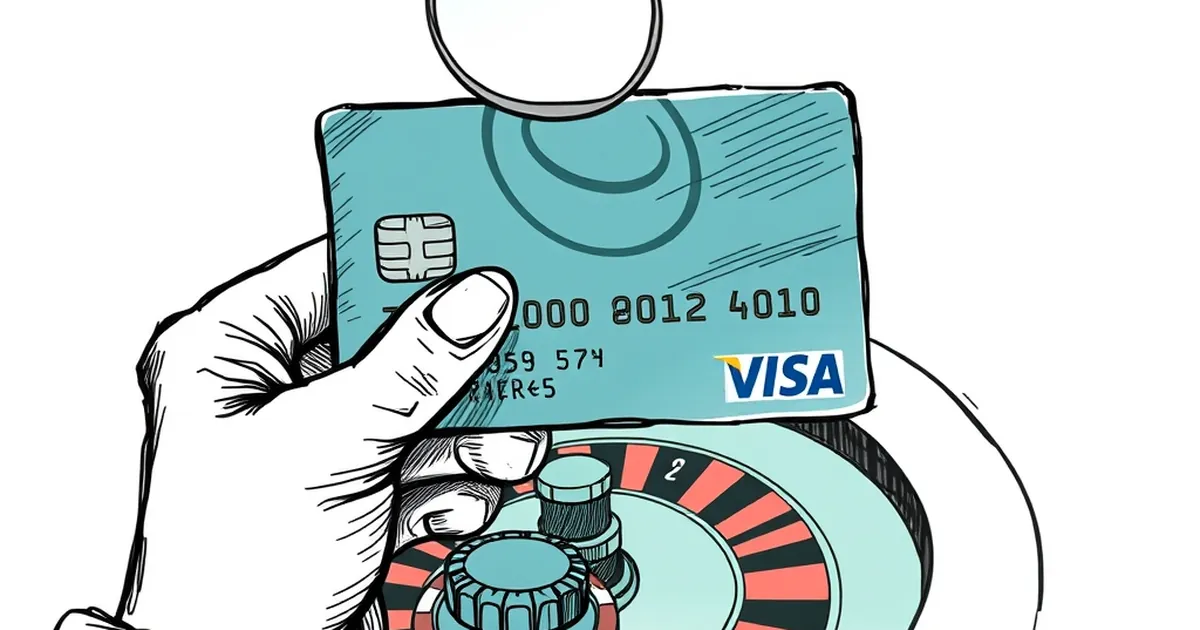
You swipe your Visa card to fund your online casino account, hit submit, and wait. The transaction goes through, but you might notice something odd—the charge appears as a temporary authorization, not a finalized purchase. That’s no glitch. Visa treats your first casino deposit like a test run, and it’s a deliberate move rooted in security, risk management, and the messy reality of gambling payments.
The Authorization Ghost: Why Your Deposit Isn’t Final
When you make that first deposit, Visa doesn’t immediately settle the transaction. Instead, it places a temporary hold—often called a pre-authorization or “auth” for short. This hold reserves the funds in your account but doesn’t actually move them to the casino yet. The merchant then captures the funds later, sometimes hours or even days afterward.
Why the delay? Visa is running a background check on you and the casino. It’s verifying that the card is legitimate, the merchant is authorized, and the transaction fits your typical spending patterns. If anything looks off—like a deposit from a new country or an unusually high amount—the auth can flag it before the money ever leaves your account.
For the consumer, this feels like a test because it mirrors what happens when you swipe a card at a gas pump or hotel. But in the gambling world, the stakes are higher. A failed auth can mean a locked account, a declined deposit, or even a temporary freeze on your card.
The Risk Calculus Behind the Scenes
Visa is not your buddy. It’s a payment network that processes billions of transactions annually, and gambling is one of the highest-risk categories they handle. Chargebacks—when a customer disputes a transaction—are a massive headache for Visa. Gambling disputes are notoriously messy: players claim they didn’t authorize a deposit, they were minors, or they were gambling under duress.
To minimize this, Visa applies extra scrutiny to first-time deposits. They’re essentially stress-testing the transaction from both sides. Is the casino’s merchant ID legit? Does the deposit amount match typical gambling behavior? Is there a history of chargebacks on that specific card? If any red flags pop up, the auth gets declined, and you’re left wondering why your deposit “failed” when you had plenty of money.
This isn’t just about protecting Visa. It’s also about protecting you. A first deposit that clears without issue means the network trusts you enough to let future transactions flow smoothly. Think of it as a probationary period—annoying, but necessary.
A Real-World Example
I once helped a friend who tried to deposit $500 at an online poker site using his Visa debit card. The bank showed a pending charge for three days, but the casino’s balance never updated. He called support, and they told him the auth was “under review.” Turns out, his card had been used for a similar deposit six months prior that ended in a chargeback (he forgot about a bad beat dispute). Visa flagged the new deposit as high-risk and held it until the casino provided extra verification. The transaction eventually cleared, but it took a week.
That’s the test run in action. Visa isn’t just processing a payment—it’s auditing your history and the merchant’s reputation in real time.
How This Affects Your Casino Experience
The practical impact of Visa’s test-run approach is immediate and often frustrating. You might see a temporary hold on your account for the deposit amount, but the casino doesn’t credit your balance until the auth converts to a capture. This can take minutes, hours, or even a full business day. Meanwhile, you’re staring at an empty casino lobby, wondering if you should try again.
Worse, if the auth fails after you’ve already started playing with a bonus or free spins, the casino may reverse your winnings. That’s because the deposit never technically happened—Visa just gave a green light that later turned red. Most casinos have policies that void any bonuses tied to failed deposits.
Internationally, the issue gets messier. Visa’s rules vary by region. In the UK, for example, gambling deposits are subject to stricter authorization windows under FCA guidelines. In Asia, some banks automatically block gambling-related auths entirely, forcing players to use alternative methods like e-wallets. Your mileage depends on where your card is issued and where the casino is licensed.
The Geographic Split
- Europe: Auths often convert within minutes, thanks to SEPA instant payments integration.
- North America: Delays are common, especially with debit cards. Credit cards may have higher success rates but face lower deposit limits.
- Asia-Pacific: Many banks block gambling auths outright. You’ll need a Visa that’s explicitly enabled for cross-border gambling.
Why Merchants Play Along
Casinos hate this too, but they have no choice. Visa’s rules are non-negotiable if they want to accept card payments. The auth-and-capture model reduces the merchant’s risk of chargebacks, but it also means they can’t guarantee instant deposits. Savvy casinos compensate by offering instant e-wallet alternatives like Skrill or Neteller, which bypass Visa’s auth process entirely.
But here’s the twist: some casinos exploit the test-run dynamic. They intentionally delay capturing the auth to keep your funds “pending” while they process your withdrawal requests. This is shady but common. If you deposit $100 and win $200, the casino might hold the auth open until they verify your withdrawal, effectively locking your money in limbo.
What You Can Do About It
You can’t change Visa’s rules, but you can game the system. First, always use a Visa card that has a history of clean gambling transactions. If your card has never been used for gambling, expect the test run to be longer. Second, deposit small amounts first—$20 or $50. This builds a trust record with both Visa and the casino, making future deposits smoother.
Third, avoid depositing during peak hours (evenings and weekends) when Visa’s fraud detection systems are more aggressive. A deposit at 3 AM on a Tuesday is more likely to pass without a hitch than one at 9 PM on a Friday. Finally, always check your pending transactions in your banking app. If the auth shows as “pending” for more than 24 hours, call your bank and ask them to release it. Don’t wait for the casino to sort it out.
The Forward-Looking Takeaway
Visa’s test-run approach isn’t going away, but it will evolve. The network is piloting real-time settlement for gambling transactions in select markets, which would eliminate the auth delay entirely. That shift would treat gambling payments more like a coffee purchase than a hotel booking. Until then, treat your first deposit as exactly what it is: a trial. Use it to test the waters, not to chase a big win. If the auth clears fast, great—you’ve got a reliable payment method. If it drags, consider it a red flag about the casino’s processing setup, not just Visa’s caution. Your next deposit will be faster. But only if this one passes.