Tournament lobbies list 400 events; 3 are satellites
A 412-event tournament lobby with only 3 satellites reveals how padding and freerolls crowd out the feeders that actually move players up
6 min read
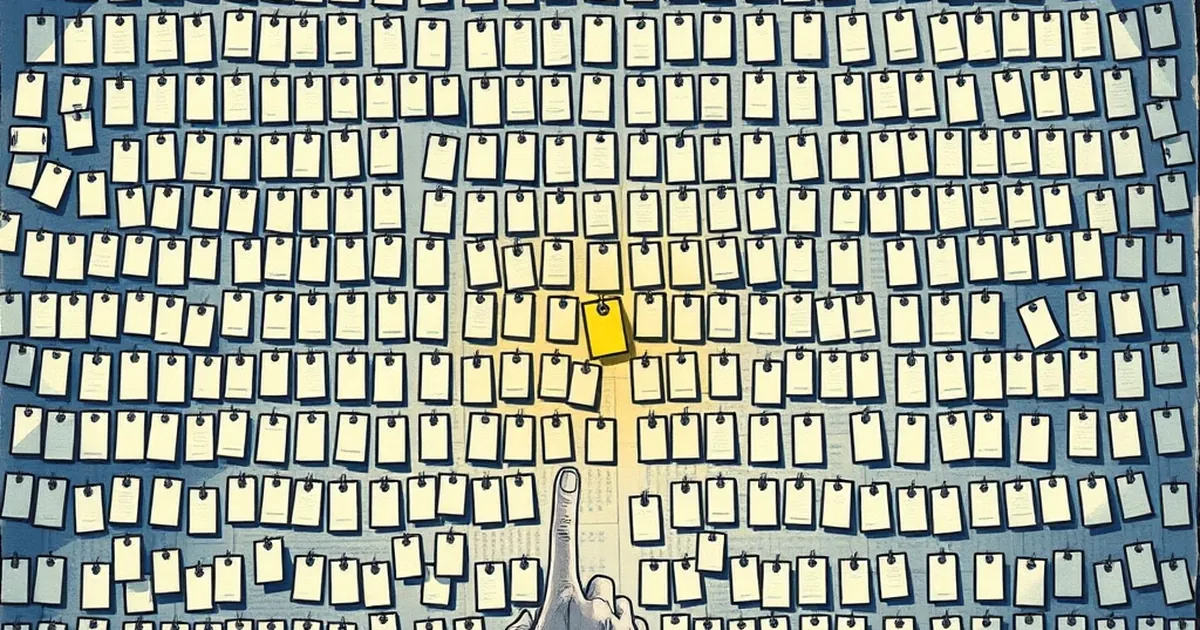
Open the tournament tab on most large poker or casino sites and the number is genuinely absurd: one operator I checked last week listed 412 events as live or upcoming, and only 3 of them were satellites. That's 0.7% of the schedule doing the job that satellites are supposed to do — feeding players into the bigger buy-ins. The rest was a wall of freerolls, flipaments, "special edition" rebuys, and guaranteed prize pools that looked suspiciously identical to the ones running last month under a different name.
It's not a scandal. Nobody is breaking a rule by padding a lobby. But the ratio tells you something about how tournament poker gets marketed now, and it's worth unpacking before you spend an evening scrolling a list that's mostly noise.
Why 400 events is a business decision, not a poker one
A tournament lobby is a storefront. The operator's goal is to make the page feel busy, because a busy page reads as a healthy ecosystem. A player who lands on a schedule with 40 events might wonder whether the site has traffic. A player who lands on one with 400 events assumes it does, even if 300 of those events are drawing 60 runners each.
The satellite count is the tell. Satellites are cheap to run and strategically valuable — they convert low-stakes players into qualifiers for high-stakes events, and they create the narrative of a "pathway." But they don't generate much rake on their own, and they clutter the lobby with small buy-ins. So they get buried, listed last, or scheduled at 3 a.m. in your timezone. Meanwhile the headline events get top billing, a countdown timer, and a guarantee that's been quietly reduced from $50,000 to $30,000 since the last time you looked.
There's a second factor: many of those 400 events aren't really distinct products. They're the same tournament run at multiple buy-in tiers, or the same format reskinned as "Turbo," "Hyper," and "Deepstack" versions. That's fine for liquidity — pooling players at different price points is sensible — but it inflates the count without adding anything you can actually play differently.
The satellite math that matters
If you're a mid-stakes player trying to qualify for a $215 or $530 event, three satellites across a 400-event schedule is close to a drought. The practical question isn't "how many satellites exist" but "how many run at a time I can play, with a structure that isn't a lottery." A single $5 rebuy satellite with 15-minute levels and a 20-seat guarantee is worth more than five hyper-turbos that finish before you've made a coffee.
Worth checking before you commit: whether the satellite awards a seat or tournament dollars, whether unused seats convert to cash (and at what rate), and whether the target event's guarantee is actually being met or is propped up by the operator's own overlay. A satellite into an event that misses its guarantee is still a satellite — but the value calculation changes.
What the padded lobby does to your decision-making
The bigger cost of a 400-event list is cognitive. You open the tab intending to play one tournament. Twenty minutes later you've compared 30 structures, lost track of which ones are in your bankroll range, and either bought into something you didn't plan to or closed the tab entirely. Neither outcome is good for you, and the second one isn't great for the operator either — which is why some sites have started surfacing "recommended for you" and "starting soon" filters that cut the list down to a dozen.
If you're going to use these lobbies seriously, filter aggressively. Most clients let you sort by buy-in range, game type, and start time, and a few let you save filters. Set a maximum buy-in at 1–2% of your bankroll, filter to the formats you actually understand, and ignore everything outside a 90-minute window. The 400-event list collapses to maybe 12 events you'd genuinely consider, which is a much more honest picture of the schedule.
The freeroll problem
A large chunk of any padded lobby is freerolls, and freerolls distort the count in a specific way: they're free to enter, so they fill, so they look popular, so they stay on the front page. A 3,000-runner freeroll with a $500 prize pool pays out an average of about 17 cents per entrant before the top-heavy structure is applied — meaning the top 1% take almost everything and the rest of the field is effectively playing for the experience. That's a legitimate reason to play (practice, fun, a shot at a score), but it isn't the same product as a $22 freezeout, and treating them as equivalent entries in a "400 events" count is generous at best.
Where the satellites actually went
They didn't disappear. They moved — often out of the main tournament tab and into a dedicated "Qualifiers" or "Pathways" section, or into the promotional pages for specific live events. If a site is running a series with a $1,100 main event, the satellites for it are probably listed under the series page rather than the general lobby, which means the 3-out-of-412 figure understates the real supply. The catch is that you have to know where to look, and the lobby itself won't tell you.
That's a design choice with a clear logic: satellites attached to a series convert better than satellites floating in a general list, because the target event is visible and the narrative is obvious. The downside is fragmentation. A player who doesn't already know the series exists will never find the qualifier, and the general lobby will keep looking like it has almost no pathway structure.
What to actually do with this
Three practical habits, none of them dramatic:
Count before you browse. If a lobby lists more than 100 events, assume most are filler and go straight to filters. The number is a marketing signal, not a menu.
Check the satellite section separately. Look for a Qualifiers tab, a series page, or a "Win your seat" promo block. If a site runs a big series, the satellites exist somewhere — they're just not in the main list.
Watch the guarantees. A schedule padded with events that routinely miss their guarantees is telling you something about traffic. Compare the advertised guarantee to the actual prize pool after late registration closes on a couple of events. If the operator is covering overlays regularly, the events are softer than the marketing suggests — and if guarantees are being trimmed quietly, the opposite.
Responsible gambling note, briefly: a 400-event lobby is designed to make playing feel like the default and not playing feel like missing out. If you find yourself entering events because they're there rather than because you chose them, that's the signal to set a session limit, not to browse harder. Most sites let you set deposit or time limits in the account settings; use them before the lobby does its work on you.
The open question
The interesting thing about the 3-in-412 ratio is that it's probably not stable. As more jurisdictions tighten advertising rules around gambling promotions, the padding strategy gets riskier — a lobby that looks like a casino floor with 400 machines is harder to defend than one that honestly lists 40 tournaments. Some operators are already experimenting with cleaner, smaller schedules and better satellite placement, betting that discoverability beats volume.
The question is whether players reward that. If a stripped-back lobby with 40 events and 12 well-structured satellites converts worse than a 400-event wall, the wall stays, and the ratio gets worse. If it converts better, the padding was always a habit rather than a strategy. Either way, the next time you see a four-digit event count, check the satellite number first — it tells you more about the schedule than the headline figure ever will.