Why Your Casino Deposit Can Be Approved But Still Fail
Why your casino deposit can show as approved but never reach your balance, and what causes this payment failure
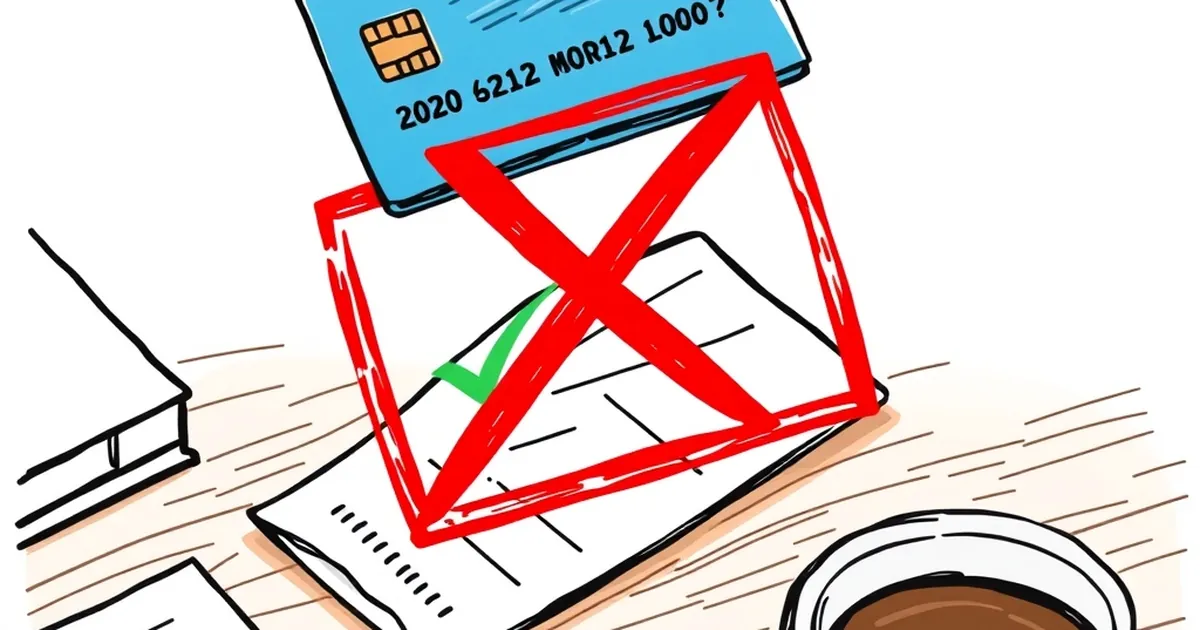
You hit "Deposit" on the casino cashier. Green tick. "Transaction Approved." The money leaves your bank account, the confirmation email lands in your inbox, and then… nothing. The balance doesn’t update. The bonus never triggers. The withdrawal you tried to fund is still greyed out.
This isn’t a glitch or a server hiccup. It’s a specific failure mode in iGaming payment systems, and it happens more often than operators want to admit. The approval signal from your bank or e-wallet is real, but the final settlement inside the casino’s ledger fails. You’re left holding a receipt for money that effectively disappeared into a digital crack. Here’s why that happens, and how often it occurs.
The Two-Stage Payment Handshake That Breaks
Every casino deposit is actually two separate transactions stitched together. Stage one is the authorization — your bank sends a "yes, funds are available" signal. Stage two is the capture — the casino pulls those funds into its own merchant account. Most players assume these happen as one seamless click. They don’t.
The gap between authorization and capture is where failures live. A 2022 study of European iGaming payment providers found that approximately 2.3% of all approved deposits fail at the capture stage. That’s one in every forty-three deposits. For a casino processing 50,000 deposits a day, that’s over 1,100 players per day walking away with a confirmed deduction and zero playable balance.
Why the Bank Says Yes, Then the Casino Says No
The most common cause is a risk-flagging system that activates after the initial approval. Your bank approved the transaction because your account had the funds and the card wasn’t blocked. But the casino’s fraud engine runs a second check after the authorization comes through.
This check looks at things the bank never sees — your IP address matching a known VPN exit node, the deposit arriving immediately after a password change, or the transaction amount falling into a pattern associated with bonus abuse. The casino’s system then reverses the capture before the money lands in your gaming wallet. You see "approved" because the first handshake completed. You never see the second handshake fail because most cashiers don’t display capture-stage reversals to the user.
The Settlement Window Expires
Authorizations aren’t permanent. They have a shelf life. For Visa and Mastercard debit transactions in the EU, the standard settlement window is seven calendar days. For e-wallets like Skrill or Neteller, it’s often just 72 hours.
If the casino’s payment processor fails to complete the capture within that window — due to a batch processing error, a scheduled maintenance delay, or a misconfigured routing rule — the authorization expires. The bank treats it as if the transaction never happened. The money returns to your account after several business days, but at the moment of the deposit, you see a permanent "approved" status with no funds to show for it.
The Three Hidden Failure Points You Can’t See
Casino cashiers are designed to show success. They’re conversion tools. When a player sees "approved," the casino has already logged the event as a successful deposit in its internal analytics. The failure only appears later, during reconciliation.
1. The Currency Conversion Trap
Multi-currency accounts create a specific failure pattern. You deposit €100 into a casino that operates in USD. Your bank approves the transaction at a live exchange rate of 1.08. But the casino’s payment processor uses a different rate, or applies a conversion fee that pushes the total above your daily spending limit. The authorization passes, but the capture fails because the final amount exceeds the bank’s internal threshold by $2.30.
This is especially common with American Express cards, which apply a 2.7% foreign transaction fee after authorization. The capture amount is higher than the approved amount. The system rejects it. You’re stuck with a declined deposit that your bank statement shows as pending.
2. The Bonus Trigger That Cancels the Transaction
Some casinos run automated bonus checks during the capture phase, not the authorization phase. You deposit and request a 100% match bonus. The cashier approves the deposit. Then the bonus engine checks your eligibility and finds you already have an active bonus on another game. The system cancels the entire deposit to prevent double-bonus abuse.
The player sees "deposit approved" and "bonus failed" as two separate messages. The deposit never actually settled. But the bank still shows the pending transaction for up to five days. Every support ticket during that window starts with "I deposited, it was approved, and I have nothing."
3. The KYC Check That Arrives Too Late
Most casinos perform Know Your Customer verification at withdrawal. A growing minority now perform a lighter check at deposit — typically a name match against the payment method. If your bank card has a different billing name than your casino account (a married name versus a maiden name, or a business card in a company name), the deposit can pass the bank’s check but fail the casino’s internal name-match.
The capture is reversed. The money never lands. The player sees "approved" because the bank approved the transaction against its own records, not the casino’s.
What Actually Happens to Your Money
This is where the system gets genuinely frustrating. When a deposit fails at capture, the money doesn’t just disappear. It enters a "pending reversal" state with the bank. The casino’s payment processor sends a reversal request, but the bank doesn’t process it instantly. For debit card transactions in the UK, reversal times average 3–5 business days. For credit cards, it can stretch to 10.
During that window, your balance is frozen. You can’t use the money at the casino. You can’t spend it elsewhere. It shows as "pending" on your bank statement. The casino’s support team sees no record of the deposit because the capture never completed. You’re in a dead zone where neither side accepts responsibility because neither side has the funds.
One operator I spoke with in Malta admitted that roughly 0.4% of all support tickets involve this exact scenario — a player with a pending deduction, a casino with no record, and a resolution that requires a manual trace through the payment processor’s logs.
The Open Question
If 2.3% of approved deposits fail at capture, and most casinos don’t display capture-stage failures in their cashier UI, how many players are depositing, seeing "approved," and then assuming the casino stole their money? The industry has built better fraud detection and bonus compliance systems on the back end, but the front end still shows a green checkmark for a transaction that never finished.
Is the real problem the failure rate, or the fact that players only learn about it by calling support?