Why Your Card Works at a Hotel but Fails at Checkout
Discover why your credit card works for hotel deposits but gets declined at checkout, and how fraud filters cause this common travel frustration
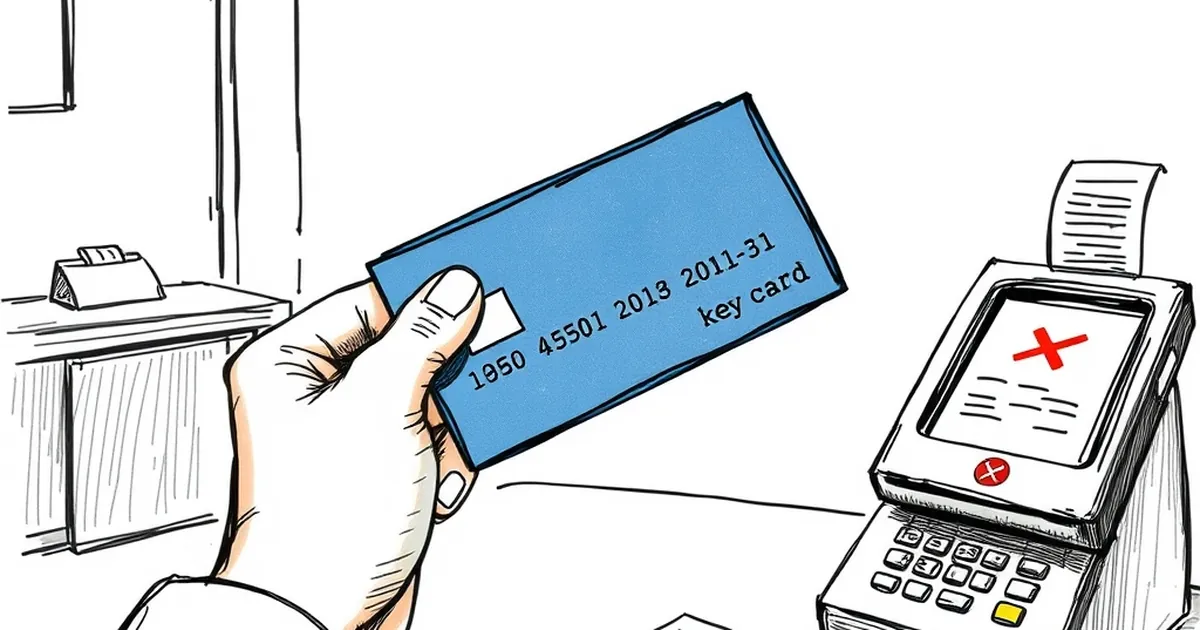
You’re standing at the front desk of a hotel in a foreign city, tired from the flight, and the receptionist asks for a credit card for the deposit. Your card works fine. The hold goes through, you get the keycard, and you head up to your room victorious. Next morning, you grab a coffee from the lobby café, tap to pay at checkout, and bam—declined. Embarrassing, right? If you’ve ever wondered why the same card gets the green light one moment and a red flag the next, you’re not alone. The culprit isn’t your bank being mean; it’s a quiet war between payment networks and fraud prevention systems that most travelers never see.
The Pre-Authorization vs. The Final Charge
At the root of this confusion lies a fundamental difference in how card transactions work at a hotel versus a retail checkout. When you check in, the hotel doesn’t actually charge you right away. Instead, it runs a pre-authorization. That’s a temporary hold on your available credit or balance for the expected room total plus a buffer for incidentals. The system checks that the funds exist, locks them down, and then releases them automatically after you check out. No real money moves—yet.
The checkout counter, on the other hand, initiates a final charge. That’s a full capture request that actually pulls the money from your account. It’s a distinct transaction type, and the issuing bank processes it differently. The pre-auth says “reserve this amount.” The final charge says “send this amount right now.” If your card was issued in a country with strict banking regulations, the bank may treat these two actions as separate events with separate risk scores.
Why a successful pre-auth doesn’t guarantee a successful capture
Here’s the kicker: a pre-authorization can succeed even if your account balance dips below the hold amount before the final charge arrives. For example, you check into a hotel with $500 available, the hotel puts a $200 hold on the card, and you go out for dinner and buy a $300 pair of shoes. Now your available balance is zero. When the hotel tries to capture that $200 final charge the next morning, the bank declines it because there’s nothing left to take. The hold is still there, but the capture fails.
This is the exact scenario that gets travelers into trouble. The card looks fine at check-in, but by the time the actual payment is due, your spending has eaten into the reserved funds. Hotels are notoriously slow at finalizing charges too—sometimes days later. That delay gives your daily spending plenty of time to change your balance.
The Geography of Risk Scoring
Payment networks like Visa and Mastercard use sophisticated risk scoring algorithms that evaluate every transaction in real time. A pre-authorization at a hotel gets a relatively lenient score because it’s expected behavior. Hotels are high-trust merchants with low fraud rates. Your bank knows that travelers use cards at hotels all the time, so it flags the transaction as low risk.
But a checkout purchase at a different merchant—say, a corner store or a taxi stand—triggers a different risk profile. If that merchant is located in a country where your card hasn’t been used before, or if the transaction amount is unusually high for that merchant category, the bank’s fraud engine kicks in. It sees a sudden charge from an unfamiliar location and goes, “Nope, not without a confirmation.”
The role of merchant category codes
Every merchant has a four-digit code that tells the bank what kind of business it is. Hotels have specific codes (e.g., 7011 for lodging). Retail stores have different codes (e.g., 5411 for grocery stores, 5812 for restaurants). Your bank’s risk model learns your spending patterns based on these codes. If you’ve only ever used your card at hotels and airlines, a sudden charge at a street vendor in a new city can look suspicious. The pre-auth at the hotel was expected. The checkout at the café was not.
The Three-Day Hold Hangover
Even after you check out, the pre-authorization hold doesn’t vanish instantly. That phantom hold can linger on your account for anywhere from 24 hours to several days, depending on your bank and the hotel’s settlement process. During that limbo period, your available balance is artificially reduced by the hold amount, even though no actual charge has gone through.
This is where the real pain begins. You might have plenty of money in your account, but the hold makes it look like you don’t. When you try to use the card at a checkout counter, the bank’s system sees insufficient available funds and declines the transaction. The merchant sees a generic “declined” message, and you’re left fumbling for another card. The hotel didn’t steal your money, but their hold definitely stole your spending power.
A concrete example from a recent trip
I learned this the hard way in Bangkok last year. I checked into a mid-range hotel, and the front desk put a $300 hold on my card. Later that day, I bought a couple of souvenirs at a market for about $50. My available balance was fine—or so I thought. The next morning, I tried to pay for a street-side pad thai with the same card. Declined. The vendor looked at me like I was a broke tourist. I checked my banking app and saw that the hotel’s hold was still sitting there, and my souvenir purchase had pushed my balance just below the hold amount. The bank refused the $5 charge because it saw $300 as “pending.” I paid with cash, grumbling, and the hold dropped off two days later.
How to Avoid This Mess
The fix isn’t complicated, but it requires a bit of foresight. First, always carry a backup card when traveling. Ideally, have two cards from different networks (one Visa, one Mastercard) or from different banks. If one gets tangled in a hold limbo, the other is clean and ready. Second, ask the hotel at check-in if they can use a smaller deposit amount or if they’ll accept a debit card for the hold while you use your credit card for actual purchases. Some hotels are flexible.
Use a card with real-time balance alerts
Enable push notifications for every transaction, including pre-authorizations. That way, you’ll know exactly what’s pending and what’s available. Many banking apps now show “pending holds” in a separate section, so you can see the true picture before you tap to pay. If you see a hold that’s been sitting there for more than 48 hours after checkout, call your bank and ask them to release it manually. They can do that in about five minutes.
The Future of Payment Holds
Payment networks are slowly improving this experience. Visa has introduced features like “staged digital wallet transactions” that allow merchants to finalize charges without holding funds for days. Mastercard’s “installment and deferred payment” APIs give merchants more flexibility to settle charges instantly. But the reality is that hotels are slow to adopt these upgrades because their legacy property management systems were built in the 1990s.
Until those systems catch up, the pre-auth hangover is here to stay. The best you can do is understand the game and play it smarter. Next time your card works at check-in but fails at checkout, don’t blame your bank—blame the slow dance between a hold and a capture. And maybe keep a few dollars in cash handy for that pad thai.