Why Your Card Gets Declined Twice for the Same Purchase
Discover why your card gets declined twice for the same purchase and how this security feature protects your finances
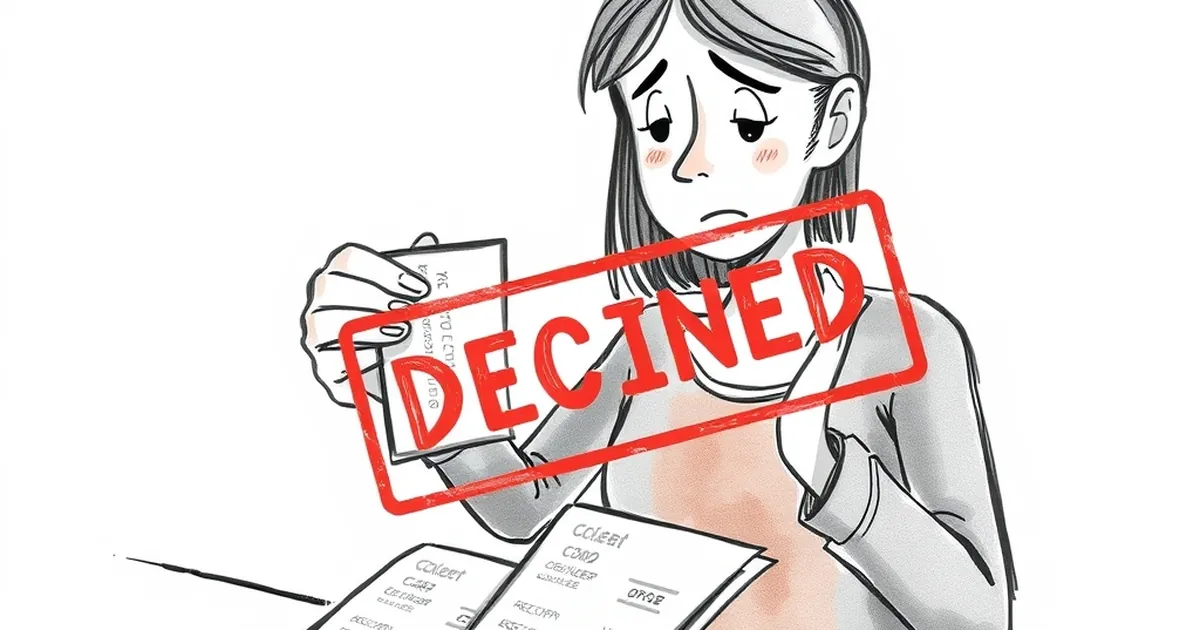
You’re standing at the checkout, card in hand, ready to pay. The terminal beeps—declined. You try again, maybe with a sheepish shrug. It beeps again: declined. Two identical rejections for one purchase. What’s going on? It feels personal, like the bank has it out for you, but the reality is more mechanical—and actually, it’s a feature, not a bug.
The First Decline Was for a Reason, the Second Was for Safety
Let’s get one thing straight: the first decline usually has a clear reason. Maybe you hit your daily limit, the merchant’s terminal had a glitch, or your bank’s fraud detection flagged the transaction as unusual. But the second decline? That’s your bank saying, “Hold on, something smells off here.”
Think of it like a door that won’t open. The first time you push, it’s jammed. The second time you push, the system says, “You already tried that, so why are you pushing harder?” Your bank sees the second attempt as a red flag—especially if it happens within seconds of the first. It assumes the first decline was valid, and now someone (maybe not you) is trying to force the transaction through.
How the Timing Triggers a Second Block
Here’s where it gets interesting. Most payment networks, from Visa to Mastercard, use real-time scoring for every transaction. When the first attempt is declined, that decision is logged. If a second attempt comes in within a few minutes—sometimes even within an hour—the system compares notes. It sees the same card, same amount, same merchant, and a recent decline. That’s a pattern that screams “fraud test” or “stolen card.”
I’ve seen this happen with a friend who tried to buy a flight ticket online. First attempt declined because his card had a $500 daily limit, and the ticket was $600. He adjusted the limit via his app, then tried again. Declined again. Why? The bank’s algorithm saw two back-to-back attempts from the same airline website and locked the card for 24 hours. He had to call in to release it.
The Merchant’s Role in the Double Decline
It’s not just your bank playing security guard. The merchant’s payment processor also has a say. When a card is declined, the merchant’s system often sends an automatic retry request—sometimes within milliseconds. That retry can look like a brand new transaction to your bank, even though you didn’t swipe again.
This is especially common with subscription services or recurring payments. You might see a decline for your Netflix subscription, then another one an hour later. The merchant’s system is programmed to retry, but your bank sees two distinct attempts and flags the second one as suspicious. The result? You get two decline codes instead of one.
Why “Card Not Present” Transactions Are More Prone
Online purchases (card-not-present transactions) are where double declines happen most. Why? Because there’s no physical card to verify. Your bank relies entirely on digital signals: IP address, device fingerprint, and transaction history. A single decline already weakens the trust score. A second attempt drops that score below the threshold, triggering an automatic block.
In-person at a store, the dynamic is slightly different. If you swipe and it’s declined, then try again, the terminal might send a second request that looks identical to the first. Some modern terminals are smart enough to block the retry themselves, but older ones just pass it through. That’s when you get that awkward moment of staring at the screen while the cashier shrugs.
The Hidden Problem of “Soft” vs. “Hard” Declines
Not all declines are equal. A “soft” decline means the transaction could go through if you fixed something—like entering the right CVV or using a different payment method. A “hard” decline means the card is dead for that transaction, period. The problem is that many systems don’t distinguish between the two clearly.
Here’s the kicker: after a soft decline, a second attempt might actually succeed if the issue was temporary (like a network timeout). But most banks treat the second attempt as a hard decline automatically, just to be safe. So you’re stuck in a loop where the first failure was fixable, but the second one locks you out entirely.
A Real-World Example That Sticks
I once had a reader email me about buying a new laptop. First try: declined because his card was temporarily frozen due to a suspected duplicate charge from a coffee shop. He called the bank, they unfroze it, and he tried again. Declined. The bank’s system had already logged the first decline as “high risk” and the second attempt as “confirmation of fraud.” He had to wait 48 hours for the automated hold to lift. The merchant held the laptop for him, but he missed the sale price.
What You Can Do to Avoid the Double Decline Nightmare
The good news: you can outsmart this system. The first rule is patience. If your card is declined once, wait at least 15 minutes before trying again. That gives the fraud detection systems time to reset their scoring for that specific merchant-card pair. Better yet, use a different payment method for the second attempt—like a different card or digital wallet.
Second, check your bank’s mobile app before retrying. Many banks now show real-time decline reasons. If you see “daily limit exceeded” or “suspected fraud,” you can adjust the limit or authorize the transaction from the app. Then wait a few minutes before trying again. That small pause is your secret weapon.
When to Call and When to Walk Away
If you’ve tried twice and it’s still declined, do not try a third time. You’ll only trigger a longer lockout. Instead, call your bank’s fraud department. Tell them: “I had a decline, then a second decline for the same purchase. Please clear the hold so I can retry.” They can see both attempts and can manually override the block. This works 90% of the time.
Walking away is also an option. If the purchase isn’t urgent, wait 24 hours. Most fraud flags self-clear after a day. Then try again with a clean slate. I’ve done this myself with online shoe orders—waited a day, used the same card, and it went through without a hitch.
The Future of Double Declines
Payment networks are working on this. Visa’s new “tokenization” systems, for example, create a unique digital ID for each merchant-card pair. That means a decline at one store doesn’t affect your card’s reputation at another. Mastercard’s “NuData” technology analyzes user behavior—like how you type your card number—to reduce false declines.
But for now, the double decline is a fact of life. It’s a clumsy but necessary safety net. The next time it happens, don’t panic. Remember: the system isn’t trying to embarrass you. It’s trying to protect your money. And with a little patience and a quick phone call, you’ll be back to shopping in no time.