Why Your Bank Sometimes Overrules Visa or Mastercard
Discover why your bank can override Visa or Mastercard, blocking legitimate transactions and how this protects your money
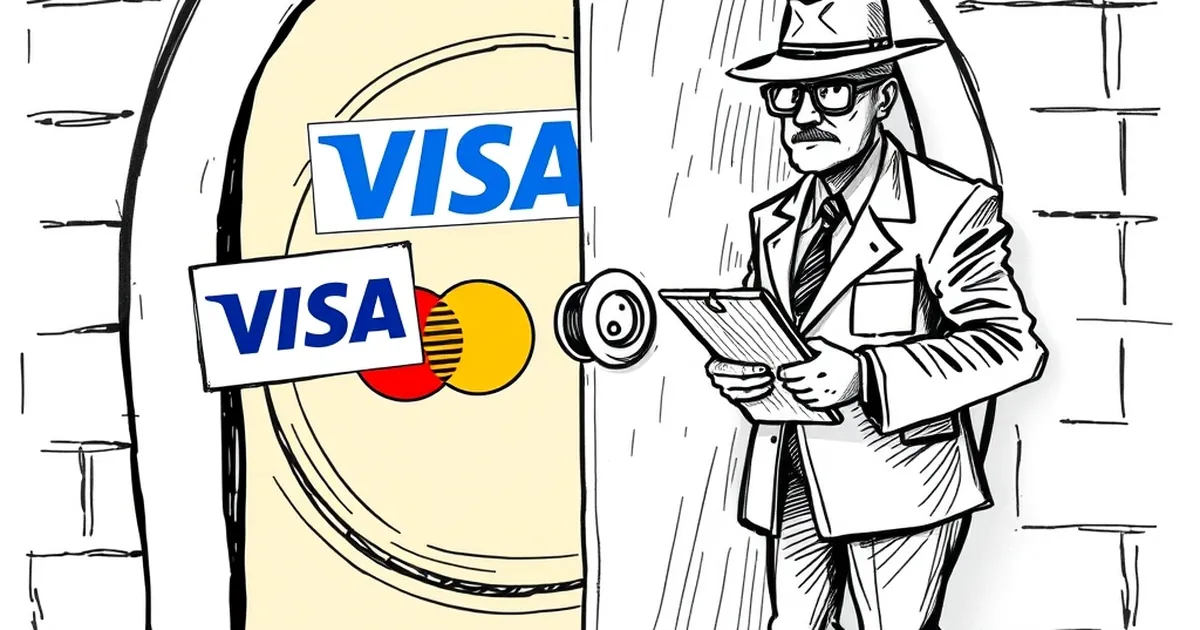
You hand your card to the waiter, and a moment later, the terminal flashes "Declined." Your bank’s app pings with a fraud alert, yet you know the charge is legitimate. It’s frustrating, especially when Visa or Mastercard has already said "yes." So why does your bank sometimes overrule the world’s largest payment networks?
The short answer is that your bank holds the final keys to your account. Visa and Mastercard act as the highway system for your transaction, but your bank is the gatekeeper that decides whether the car actually leaves the garage. Let’s break down the real reasons behind this invisible tug-of-war.
The Core Hierarchy: Network vs. Issuer Authority
To understand why a bank can overrule Visa or Mastercard, you first need to understand who does what. Visa and Mastercard are payment networks, not banks. They don’t lend money, hold deposits, or issue cards. They build the rails—the technology and rules—that allow a transaction to travel from a merchant’s terminal to your bank.
Your bank, known as the issuer, is the one that actually owns your account and the credit line. When you swipe your card, Visa or Mastercard authenticates the card details and checks that the network is healthy. But the final "authorization" request lands on your bank’s computer. The bank checks your balance, your spending patterns, and its own risk appetite. If the bank says "no," that decision is final, regardless of what Visa’s system approved.
Real-Time Risk Scoring at the Bank Level
Visa and Mastercard do offer basic fraud scoring, but they don’t know your personal financial history. Your bank sees the full picture.
- Your typical spending habits: Do you normally buy coffee at 7 AM, or is a 3 AM transaction in a different city suspicious?
- Account health: Is your balance sufficient? Is your credit limit nearly maxed out?
- Internal bank policies: Some banks are stricter about cross-border transactions or high-risk merchant categories.
When your bank’s risk engine flags a transaction, it can issue a "decline code" that overrides the network’s approval. This happens in milliseconds, and it’s the most common reason for a card being rejected even when the network itself would have let it through.
The Fraud vs. Convenience Balancing Act
This is where the tension between networks and banks becomes most visible. Visa and Mastercard want transactions to go through—that’s how they make money. They push for "authorization optimization," encouraging banks to approve borderline transactions to avoid losing sales.
Your bank, however, is on the hook for fraud losses. If a fraudulent transaction goes through, the bank usually eats the cost. So banks often err on the side of caution. A network might flag a transaction as "low risk" based on card data alone, but your bank might see the same transaction as "high risk" because you just called to report a lost card an hour ago.
A Concrete Example: The International Hotel Booking
Let me share a quick anecdote from my own experience. I once booked a hotel in Bangkok using a card issued by a European bank. Visa’s system authorized the initial $50 deposit instantly. But when the hotel charged the full $800 stay the next day, my bank declined it. Visa’s network had already approved the second transaction, but my bank’s system saw a sudden jump in spending from a foreign merchant and blocked it.
I had to call my bank, confirm the charge, and ask them to manually release the hold. The bank had every right to overrule Visa because it was their money on the line. The network simply doesn’t have that authority.
Specific Scenarios Where Banks Override the Network
Beyond general fraud, there are clear, rule-based situations where a bank will almost always say "no" even if Visa or Mastercard says "yes."
1. Exceeding Credit or Cash Limits
This is the most straightforward. Visa or Mastercard might see your card as active and valid. But if you’ve hit your credit limit or your daily cash withdrawal cap, the bank will reject the transaction. The network cannot override a hard limit set by the issuer. It’s a hard stop.
2. Merchant Category Code (MCC) Blocks
Banks often block entire categories of merchants. For example, many banks automatically decline transactions at gambling sites, adult entertainment venues, or certain cryptocurrency exchanges. Visa and Mastercard process these transactions normally, but the bank’s internal policy overrules them. The network doesn’t have a say in your bank’s moral or regulatory stance.
3. Card Not Present (CNP) Restrictions
Online transactions are riskier than in-person ones. Some banks allow you to set your card to "chip and PIN only" mode for in-store use. If you try to use that same card online, the bank will block it, even if Visa’s network has validated the CVV and address. The network sees a valid transaction; the bank sees a violation of your personal settings.
The Technology Behind the Override: STIP vs. Stand-In Processing
There’s a technical nuance here that’s worth understanding. Sometimes, a transaction goes through even when your bank’s system is down. This is called Stand-In Processing (STIP) . Visa or Mastercard temporarily approves a transaction on behalf of your bank based on past behavior.
But here’s the kicker: the bank can reverse that approval later. If the bank comes back online and sees a STIP-approved transaction that violates its rules, it can issue a chargeback or refuse to settle the payment. The network’s temporary approval is never final. The bank always has the last word, even retroactively.
Practical Takeaway: How to Avoid Getting Caught in the Middle
Knowing this dynamic won’t stop your card from being declined, but it can help you react faster. The next time your card is rejected despite being valid, don’t immediately blame Visa or Mastercard. Assume your bank is the culprit.
Your best move: Keep your bank’s app open and your phone number updated. Banks often send a push notification or SMS before overriding a network approval. If you respond quickly—confirming it’s you—the bank can re-authorize the transaction instantly. Some banks even let you set travel notices or spending limits directly in the app, which reduces the chance of an override on legitimate purchases.
Looking ahead, the line between network and bank authority is blurring. Visa is pushing for "tokenization" and "real-time account updates" that give them more visibility into your account status. Banks, in turn, are adopting machine learning models that are more nuanced than simple block-or-allow rules. The tug-of-war will continue, but it will get smarter. For now, remember: the network opens the door, but your bank decides if you get to walk through.