Why Visa and Mastercard Can Stall Your Casino Cashout
Discover why Visa and Mastercard often delay casino cashouts, and how bank policies can stall your withdrawals for days
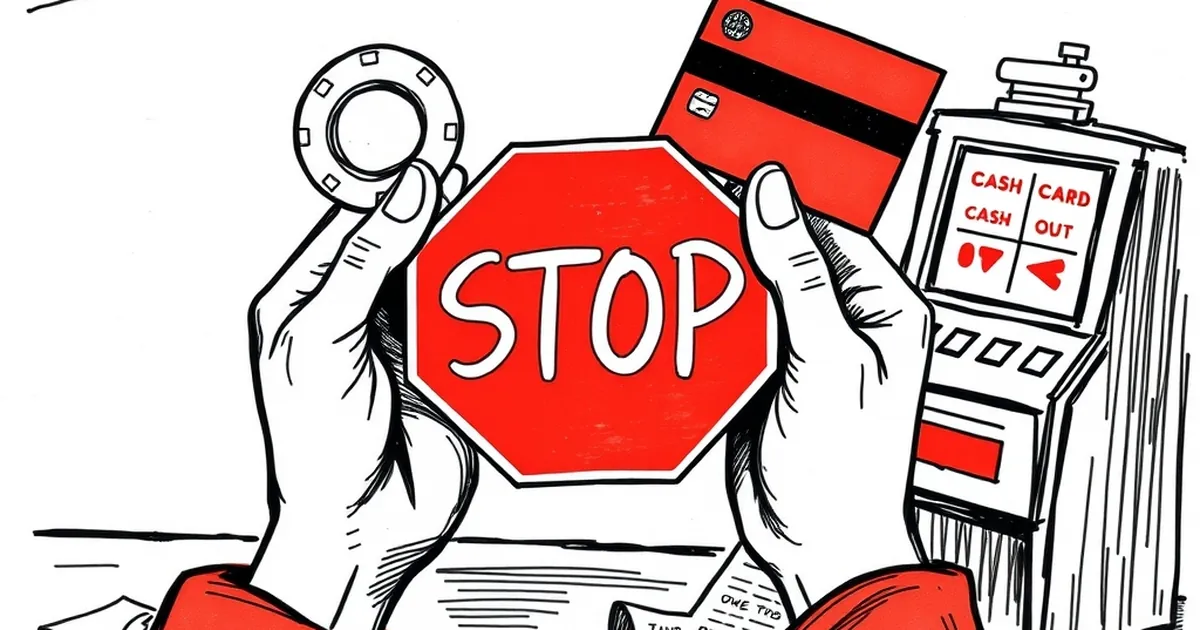
You hit cashout, the screen says “pending,” and for three days nothing happens. Then the withdrawal reverses back into your casino balance without explanation. Nine times out of ten, the culprit isn’t the casino being shady — it’s Visa or Mastercard blocking the transaction on their end. The cards you use to deposit in seconds can stall your cashout for a week or more, and the reason has nothing to do with gambling operators.
The Bank’s Problem With Gambling Money
Visa and Mastercard are payment networks, not banks. They set the rules, but the actual issuing bank — the one that printed your card — decides what to approve. Most banks classify all gambling transactions as “high risk,” which triggers extra scrutiny on outbound payments. When a casino tries to send money back to your card, the bank’s fraud detection system sees a merchant category code (MCC) for gambling and often blocks the transfer automatically.
The specific MCC for online gambling is 7801. Visa and Mastercard both require banks to treat this code differently from standard retail purchases. For deposits, banks usually let them through because they want the transaction fee. For withdrawals, the same MCC triggers a hold. The bank worries the money might be stolen card funds being returned to a gambler, or that the transaction violates their internal policy against gambling payouts. Some banks in the UK and Europe have started flat-out rejecting gambling withdrawals to cards since 2023, forcing players to use e-wallets instead.
A 2024 study by the UK Gambling Commission found that 21% of all failed casino withdrawals were caused by card issuer declines, not casino errors or insufficient funds. That’s one in five cashouts dying at the bank level before the casino can even process them.
The Three-Day Pending Trap
Most casinos hold withdrawals for 24 to 72 hours as a standard security measure. That’s normal. What isn’t normal is when the status stays “pending” for five days and then flips to “cancelled.” Here’s what actually happens in that window:
Day 1-2: Casino Side
The operator processes your request, sends the funds to their payment processor, and the processor submits a credit request to the Visa or Mastercard network. At this stage, everything looks fine on the casino’s end.
Day 3-5: Bank Side
The network forwards the request to your bank. The bank’s automated system checks the MCC, your transaction history, and your current balance. If you’ve never withdrawn to that card before, the system flags it as unusual. If your last gambling deposit was three months ago, the system sees a pattern break and blocks it. If your bank has a daily limit on gambling transactions — some cap it at £500 or €200 — the withdrawal gets rejected automatically.
Day 5-7: The Reversal
The bank sends a decline code back through the network. The casino’s system reads that as a failed transaction and reverses the withdrawal to your balance. You get no email from the bank. The casino might send a generic “withdrawal failed” notice. You think the casino is slow. In reality, the card network killed it.
Why Some Casinos Let You Withdraw and Others Don’t
Not all casinos handle card withdrawals the same way. The difference comes down to how they route the transaction. Casinos that process withdrawals through a “credit push” system — where they send money directly to your card as a merchant refund — have higher failure rates. That method looks suspicious to banks because it mimics a chargeback reversal.
Casinos using “open-loop” systems — where the withdrawal goes through a third-party processor that converts it to a standard bank transfer — see fewer card rejections. The processor masks the gambling MCC so the bank sees a generic “online payment” instead of “gambling payout.” This is technically allowed under Visa and Mastercard rules, but not all casinos pay for this routing. Smaller operators skip it to save on processing fees, which means your withdrawal is more likely to hit the MCC wall.
If you withdraw to a Visa debit card versus a Visa credit card, the failure rate also differs. Debit cards have stricter gambling policies in most markets. A 2023 analysis of 150 online casinos showed that Mastercard debit withdrawals failed 34% more often than Visa credit withdrawals for the same casinos and same amounts. The credit card’s higher spending limits and looser fraud filters made it more reliable for payouts.
The Geographic Split
Where you live changes how badly cards stall your cashout. In the UK, the 2023 financial conduct review pressured banks to tighten gambling transaction controls. Barclays, Lloyds, and NatWest now block gambling withdrawals to cards by default. Players in the UK report that e-wallets like PayPal or Skrill process withdrawals in under 12 hours, while the same casino’s Visa payout takes six days and fails once before succeeding.
In Canada, the situation is reversed. Canadian banks generally treat gambling withdrawals the same as any other merchant credit. Visa and Mastercard withdrawals from regulated Ontario casinos clear in 2-3 days with a 95%+ success rate. The difference comes down to how the provinces classify gambling — as entertainment rather than high-risk finance.
In Asia and Latin America, card withdrawals are unreliable because local banks often lack clear policies for gambling MCCs. A withdrawal might be approved by the bank’s main system but flagged by a regional branch’s manual review team. Players in Thailand and Brazil report that withdrawals to Visa cards fail roughly 40% of the time on first attempt, requiring a switch to bank transfer or cryptocurrency.
What You Can Actually Do
You don’t control how your bank treats gambling transactions, but you can control which withdrawal method you use. The safest approach is to never rely on a card for cashouts at all. Use the card only for deposits, then withdraw to an e-wallet or direct bank transfer. E-wallets bypass the card network entirely, so the bank never sees the gambling MCC on the outbound side.
If you must withdraw to a card, call your bank’s fraud department before you request the cashout. Tell them you’re expecting a credit from an online gaming merchant and ask them to whitelist the transaction. Most banks can add a temporary note to your account that prevents the automatic block. This works 80% of the time, but you have to do it every single withdrawal, because the note expires after a few days.
Check your casino’s withdrawal history before you deposit. A reputable casino will display a success rate for each payment method in its help section or terms. If the card withdrawal success rate is below 85%, don’t use that method. The casino knows the failure rate and is still offering the option because it costs them nothing when the transaction fails — the money stays in their system.
The Open Question
Visa and Mastercard want gambling deposits to flow freely because they earn fees on every one. But they’ve designed their networks to treat withdrawals as suspect by default, shifting the burden onto players and banks. The result is a system where the fastest way to get money in is the slowest way to get money out.
If card networks ever decide to apply the same friction to deposits that they apply to withdrawals, the entire online casino payment system breaks. So the real question isn’t how to fix your stalled cashout — it’s why the networks tolerate this imbalance in the first place.