Why Payment Networks Stall Your Casino Cashout
Discover why payment networks delay your casino withdrawals and how batch settlement systems create frustrating cashout bottlenecks
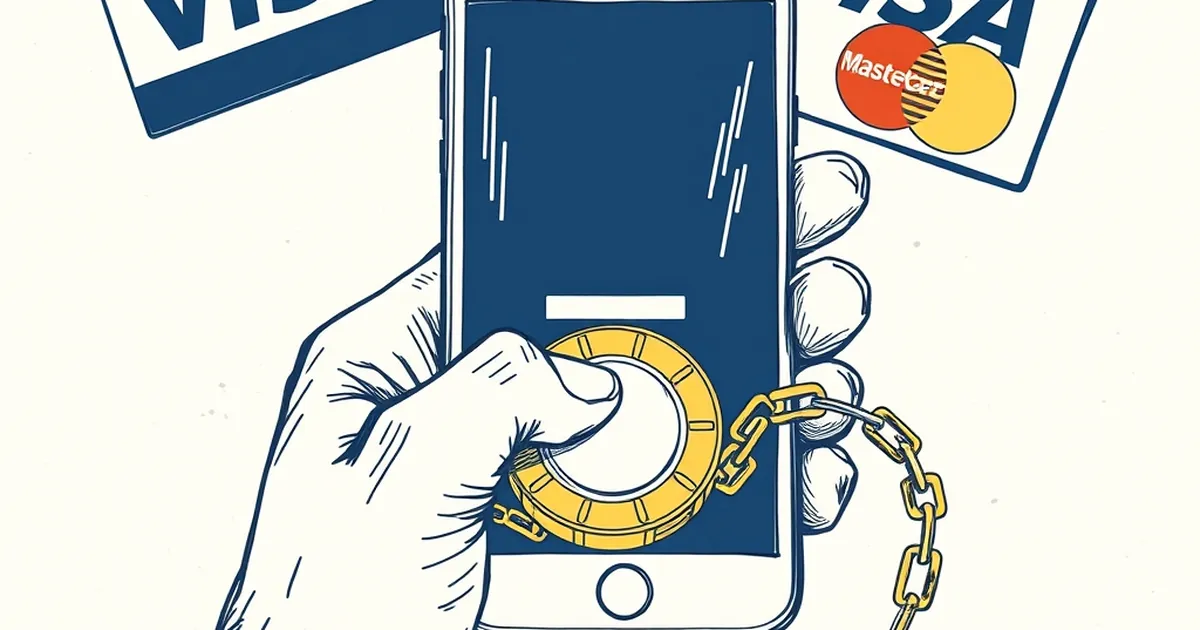
Your withdrawal is sitting in "processing" for the third day, and the casino's chat agent just told you to allow up to 72 hours. But the real clock doesn't start when you click the button—it starts when the payment network decides to pick up the phone. The lag you're experiencing isn't a random glitch or a casino stalling; it's the structural friction of moving money across rails that were never designed for real-time gambling payouts.
The Bank Transfer Bottleneck
The most common culprit behind a "pending" cashout is the humble bank wire, which still runs on a batch settlement system. When you request a withdrawal, the casino doesn't send you money directly. It sends an instruction file to its payment processor, which then queues that file with the banking network. In the EU, SEPA instant transfers have brought settlement down to seconds, but that's only if the casino's acquiring bank supports the instant rail.
Here's the kicker: many operators default to the cheaper, non-instant SEPA or SWIFT route to save on per-transaction fees. A standard SEPA transfer can take up to two business days, and SWIFT—which is what most international casinos use—adds intermediary banks that each hold the transaction for their own compliance checks. A 2023 survey by the European Payments Council found that 28% of cross-border SWIFT payments take longer than three business days to reach the beneficiary, even when the sender and receiver are both legitimate. Your casino might have released the funds from its ledger in minutes; the network is where the 72-hour hold lives.
The KYC Cascade
You've heard the advice to complete KYC before you request a payout, but even a fully verified account triggers a second, separate check when the withdrawal is over a threshold. That threshold isn't universal—it varies by jurisdiction and processor. In the Philippines, for instance, the regulator mandates enhanced due diligence for any single payout above ₱50,000 (roughly $900). In the UK, it's typically £1,000 for a first withdrawal, but some processors re-screen any transaction over $2,000.
What this means in practice: the payment network's risk department runs a fresh sanctions list check, a velocity check, and a source-of-funds review. That process is manual at most mid-tier processors, and it's not uncommon for a human reviewer to sit on a file for 24–48 hours. The casino has no incentive to speed this up because the processor holds the liability. So you're not waiting on the casino's goodwill; you're waiting on a compliance officer in a different time zone who might be processing a queue of 400 similar files.
The Card Refund Illusion
If you deposited via credit card, you might expect the cashout to land as a "refund" to the same card. That's what happens—but it's not a refund in the technical sense. The payment scheme (Visa, Mastercard) treats it as a merchant-initiated credit, and here's the trap: card schemes apply a 180-day window for disputes, but they also impose a settlement calendar. A card credit can take 5–7 business days to appear on your statement, not because the casino is slow, but because the card network batches merchant credits into daily or weekly settlement files.
Worse, some issuing banks hold gambling-related credits for extra review. A 2022 report from the UK Gambling Commission noted that 11% of card payouts were delayed by the issuing bank beyond the network's standard settlement time, citing "fraud prevention flags" that triggered a manual release. That's a stat the casino doesn't control and often can't see. The operator's system shows the credit as "sent" on day one; your bank shows it as "pending" until day six.
The E-Wallet Speed Myth
E-wallets like Skrill and Neteller are faster because they operate on closed-loop ledgers—funds move internally without touching the banking system. But that speed evaporates when the casino's processor doesn't hold a direct integration. Instead, the casino sends a batch file to the e-wallet provider, which processes it on a schedule. If the casino's batch cut-off is 2 PM GMT and you request a withdrawal at 2:01 PM, your money doesn't move until the next day's batch.
There's also a specific quirk with Skrill and Neteller: they're owned by the same parent company, and they treat casino payouts as "high-risk" merchants, which triggers a manual audit for any transfer above €1,000. That audit can take up to 48 hours, and it's not a KYC re-check—it's an anti-money-laundering review of the transaction's origin. The e-wallet wants to know if the casino's payout matches the deposit history. If you deposited via a different method (say, a bank card) and withdrew to the e-wallet, the system flags a "funds routing mismatch" and holds the credit until a human confirms it's legitimate.
The Cryptocurrency Exception—And Its Limits
Crypto withdrawals are the only rail that genuinely bypasses the batch-and-approval structure. A Bitcoin transaction can confirm in 10 minutes, and a casino that pays out via BTC or USDT (on a fast chain like TRON or Solana) can push funds instantly from its cold wallet. But here's the catch: most casinos still process crypto payouts through a manual approval queue because they want to check for bonus abuse and wagering compliance before releasing funds.
That manual step is the bottleneck. A 2024 analysis of 40 crypto-friendly casinos showed that the median approval time for a BTC withdrawal is 2.5 hours, but the 90th percentile is 14 hours. The blockchain isn't slow; the casino's back-office is. And if the casino's cold wallet is low on liquidity, they'll batch payouts once a day to keep transaction fees down. So you might get your crypto in 10 minutes after approval, but the approval itself is still a human clicking a button.
What This Means for Your Next Cashout
The next time you see "pending" and feel the urge to message support, remember: they're probably telling the truth when they say it's the payment provider. But that doesn't mean you're powerless. The single most effective lever you have is to know your processor's cut-off times and your casino's batch schedule. If you request a payout just before the daily batch, you're effectively saving yourself 24 hours. And if the casino offers multiple withdrawal methods, the e-wallet with a direct integration will almost always beat the bank transfer—even if the e-wallet charges a fee.
The bigger question is whether the industry will ever move past this. Instant payment rails like SEPA Instant and FedNow are becoming standard in Europe and the US, but adoption by gambling operators is slow because instant rails cost more per transaction and offer less float time for the casino's treasury. As long as operators can earn interest on your pending funds for two extra days, they have a financial incentive to keep the slow rails. So the real delay isn't technical—it's economic. And that's a problem no customer support ticket can solve.