Wagering math needs 40x; the slot's fun math needs 4 spins
A 40x wagering requirement demands hours of grinding, yet four spins reveal whether a slot's volatility and bonus cadence actually suit you
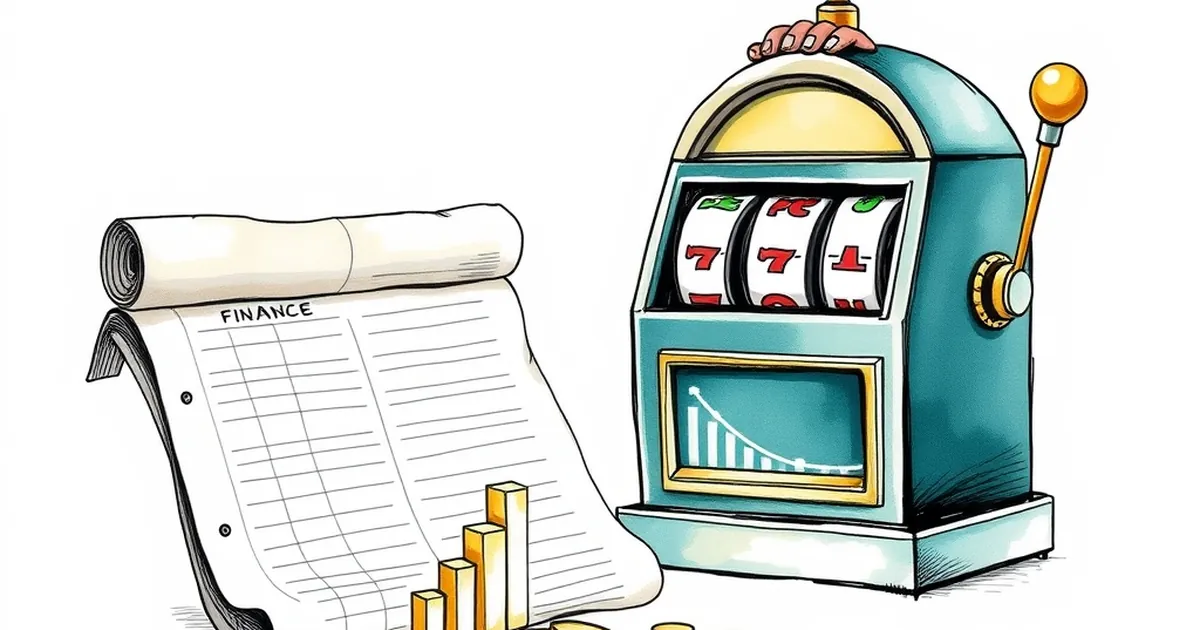
A 40x wagering requirement on a €100 bonus with a €20 max bet means you need €4,000 of action before anything converts to cash, and at 20 spins a minute that's roughly three hours of grinding. The slot itself doesn't care about any of that. Its entertainment math runs on a much shorter clock: four spins is often enough to know whether a game's volatility, hit frequency, and bonus cadence suit you at all. Those two numbers — 40x and 4 — describe the same product from opposite ends, and conflating them is where most players lose both money and interest.
The two clocks running at once
Every slot session runs on two separate timers. The bonus clock is administrative: it starts when you accept the offer and stops when you either clear the requirement or give up. The fun clock is psychological: it starts on spin one and usually resolves within a handful of spins, because your brain is pattern-matching for feedback — wins, near-misses, feature triggers — long before the RNG has any obligation to deliver.
These clocks don't sync. A 40x requirement can take hours. The verdict on whether a game is worth those hours often lands in under 30 seconds. The mismatch is the whole problem. You're making a fast judgment about a slow obligation, and the bonus terms are designed around the slow part.
What 40x actually costs
Take a €100 bonus at 40x. That's €4,000 in total wagering. If the game contributes 100% to the requirement and you're spinning at €0.50, that's 8,000 spins. At €1, it's 4,000 spins. At the €20 cap many offers impose, it's 200 spins — but a €20 bet on a high-volatility slot can vaporise a €100 balance in a dozen bad outcomes, which is exactly why the cap exists.
Now layer in contribution rates. Slots usually count 100%, but plenty of games count less. Live dealer tables frequently sit at 10%. A €100 bet on blackjack at 10% contribution moves €10 against your requirement, so clearing €4,000 that way needs €40,000 of real bets. That's not a bonus anymore; it's a second job with worse hours.
The expected loss while clearing is the number nobody puts on the banner. A 96.5% RTP slot loses 3.5 cents per €1 wagered. Over €4,000, that's €140 in expected loss — more than the €100 bonus you're clearing. At 97.3% RTP, the same €4,000 costs €108 in expected loss. Still more than the bonus. The house edge doesn't need to be dramatic when you're forced to run €4,000 through it.
Why four spins tells you more than you'd think
Four spins won't tell you if a slot will pay. Nothing will. What it tells you is whether the game's rhythm fits how you want to spend the next hour.
Look for three things in those first spins:
- Spin speed. Some slots animate every reel stop for 400ms. Others snap. Over 4,000 spins, a 200ms difference per spin is 13 minutes of your life.
- Feedback density. Does the game give you something to look at — a symbol tease, a meter filling, a cascade — when you don't win? Dead spins feel different from quiet spins.
- Bet-size granularity. Can you bet €0.10, or does the ladder jump €0.20 → €0.50 → €1? If the minimum is too high for a 4,000-spin session, you've found the answer before spin five.
None of this is about RTP. A 96% game and a 96.5% game feel identical in four spins; that 0.5% only shows up across hundreds of thousands of spins, which is a timeframe no individual session ever reaches. What differs immediately is volatility signalling. A slot with a 1-in-400 bonus trigger and a 0.4% max win probability plays very differently from one with a 1-in-120 trigger and a 0.01% max win, even if their RTPs match to the decimal.
The volatility tell
High-volatility slots tend to show it fast. Long runs of nothing, occasional large relative wins, a bonus that either pays 8x or 400x. Low-volatility slots sprinkle small wins so regularly that four spins might all return something. If you're clearing a 40x requirement, you probably want the second type — steady small returns stretch a balance across thousands of spins, while a single high-volatility dry spell can end the session at spin 300 of 4,000.
That said, low volatility doesn't make a bonus profitable. It makes it survivable. Those are different words and the distinction matters.
Where the bonus math and the fun math collide
The friction point is the max bet cap combined with the contribution rate combined with the game restriction list. Read those three lines before you read the bonus amount. A €200 bonus at 35x with a €5 max bet and slots-only contribution is a very different proposition from a €200 bonus at 40x with a €20 cap and 50% contribution on your favourite game.
Do the arithmetic once, properly:
- Bonus × wagering multiplier = total wagering required.
- Total wagering × (1 − RTP) = expected loss.
- Expected loss vs bonus amount = rough value.
If step three comes out negative, you're paying for the privilege of a bonus. That's not automatically a reason to skip it — some players value the extended playtime and treat the expected loss as the cost of entertainment, the same way a cinema ticket is a sunk cost. But know which one you're buying.
There's a regulatory angle too. The UK Gambling Commission banned bonus wagering requirements on most offers in 2018, and several other jurisdictions have tightened or are tightening similar rules. If you're playing under a licence where 40x is still legal, you're playing under terms that a growing number of regulators consider predatory. That's worth knowing, not as a moral lecture, but as a signal about how the operator views the relationship.
The question the numbers leave open
If four spins can tell you whether a game is fun and 4,000 spins can tell you whether a bonus is worth clearing, why do operators keep designing offers that require you to commit to the second before you've had the first?
The honest answer is that the two numbers serve different masters. The 4-spin verdict serves you. The 40x requirement serves the operator's hold. They coexist because most players never convert one into the other — they feel the fun clock, ignore the bonus clock, and discover the mismatch only when the balance is gone and the wagering counter reads 12%.
So the useful habit isn't picking better bonuses. It's running both calculations before spin one, and being willing to walk away from a game that felt right in four spins but doesn't survive the arithmetic. The slot doesn't owe you a good time, and the bonus doesn't owe you a profit. You're the only party in the transaction who can decide, in advance, which of those two you're actually paying for.