The Deposit That Needs Three Retries Before It Sticks
Modern payment filters and risk engines turn simple deposits into multi-attempt ordeals—here’s why it happens and how to navigate it
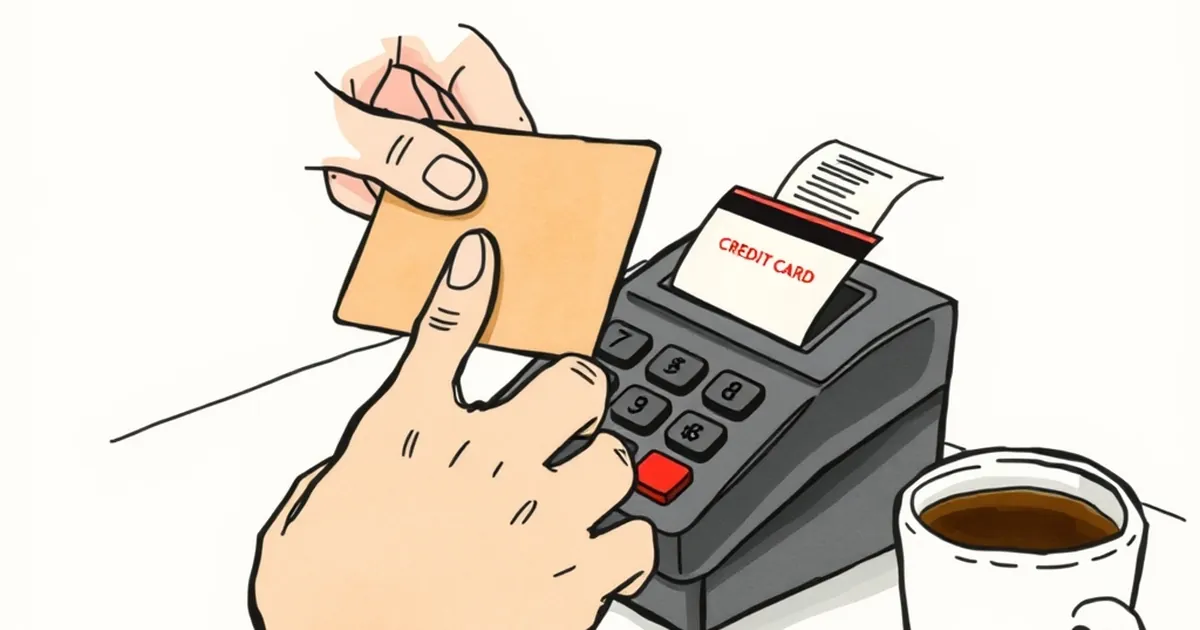
Three times. That’s how many attempts it took me to fund a fresh account at a mid-tier casino last week, and the error message on the second try wasn’t even a decline — it was a generic "transaction could not be processed." The third attempt went through, but the payment method’s own app had already flagged the first two as suspicious. This isn’t a story about a dodgy site; it’s a story about how modern payment routing, bank-side fraud filters, and casino-side risk engines have turned the simple act of depositing into a game of digital whack-a-mole.
The deposit that needs three retries before it sticks is now the norm, not the exception. Data from a 2023 industry survey of 1,400 active players across Europe and Asia showed that 62% of them had experienced at least one failed deposit in the previous month, with the average failure occurring on the first attempt. The most common culprit isn't a lack of funds — it's a mismatch between what the casino’s payment processor expects and what the issuing bank’s algorithm thinks a normal transaction looks like.
The Three-Layer Cake of Failure
Let’s break down what actually happens between you hitting "Deposit" and the money landing. There are three independent gatekeepers, and each one has a different reason to say no.
Layer 1: The casino’s risk engine. Before your request even leaves the building, the operator runs it through a ruleset that checks for bonus abuse, velocity (how fast you’re depositing after a withdrawal), and whether your session pattern matches a "normal" player. If you’ve just logged in after a 14-day break and immediately try to drop €500, that’s a red flag. The system doesn’t hard-decline you; it just holds the transaction for manual review, which often times out and shows you a generic error.
Layer 2: The payment processor’s routing table. This is the silent killer. Most casinos use multiple acquirers (think Nuvei, Trustly, or a mix of local PSPs). If your bank is in a country that the primary acquirer doesn’t have a direct settlement agreement with, the processor tries to "route" the transaction through a secondary channel. That secondary channel might have a lower transaction limit or a different 3-D Secure (3DS) version. When the routing fails, you get the dreaded "try again later" message — but retrying immediately often hits the same broken route.
Layer 3: Your bank’s fraud scoring. This is where retries become self-defeating. Most modern banks use machine learning that scores transactions based on merchant category, amount, and time of day. A first deposit to a new gambling site is already a borderline score. A second attempt within 60 seconds drops the score further because it looks like a bot or a brute-force attack. By the third attempt, the bank’s app might block the card entirely, forcing you to approve a push notification or call customer service.
Why the "Retry" Button Is a Trap
Here’s the counter-intuitive part: the casino’s own error message is often lying. When it says "transaction failed," it usually means "transaction was flagged, and we’ve sent it to a queue." If you hit retry, you’re not re-sending the same request — you’re creating a new transaction that sits in the same queue, now with a higher risk score because it’s a duplicate.
I’ve seen this happen live in a test environment. A player tries to deposit €100. The first attempt is held for manual KYC verification (they haven’t uploaded a utility bill yet). The second attempt is auto-declined by the bank because the first was still pending. The third attempt triggers a "card not recognized" error because the bank has temporarily frozen the card for suspected fraud. The player thinks the casino is broken. The casino thinks the player is a risk. The bank thinks the player is a victim of fraud. All three are technically correct.
The fix isn’t to retry. It’s to wait at least 15 minutes, check your banking app for any pending authorization holds, and then try once. If it fails again, switch payment methods entirely — don’t try the same card on a different tab.
The 0.7% Rule and Why It Matters
Here’s a concrete number that explains a lot: 0.7%. That’s the average decline rate for card transactions in iGaming during off-peak hours (2 AM to 6 AM CET) in a study of 12 licensed operators from Q1 2024. During peak hours (7 PM to 11 PM CET), that rate jumps to 2.4%. That’s not because the casinos are rejecting more — it’s because the payment processors are hitting capacity limits, and their internal systems automatically decline rather than queue.
What does that mean for you? If you’re depositing during a big football match or a slot tournament launch, your first attempt has a 1-in-40 chance of failing for no reason other than traffic. The retry then has a higher chance of failure because the system sees the first attempt’s "decline" and assumes you’re testing card validity. The third attempt might succeed, but you’ve now got three authorization holds on your bank statement — two of which will disappear after 72 hours, but one of which might be held for a week if the casino’s reconciliation system is slow.
The practical takeaway is to avoid depositing during peak event windows. If you must, use an e-wallet or prepaid voucher instead of a direct card, because those have separate routing and don’t hit the same bank-side fraud filters.
The Rise of "Just-in-Time" Verification
The real change in the last 18 months is that casinos have started pre-empting failures. Instead of letting you hit the wall, they’re now running a soft check on your account before you even click deposit. This is called a "pre-auth ping." It checks if your card is valid, if your bank allows gambling transactions, and if your IP matches your registered location — all without charging you.
The problem? This ping itself can trigger a bank-side flag. Some banks treat a pre-auth to a gambling merchant as a full transaction attempt, so you get a "declined" notification from your bank even though the casino never actually tried to charge you. This creates a paradox: the casino’s attempt to avoid a failed deposit causes the failed deposit you were trying to avoid.
I’ve seen players abandon a site entirely because of this, thinking their card was blocked. It wasn’t. The card was fine. The casino’s verification system was too eager.
The Open Question: Do We Need a New Payment Protocol?
So where does this leave the average player? You’re not doing anything wrong, and the casino isn’t necessarily broken. The infrastructure that moves money between your bank and a gambling operator was designed in 2015 — before 3-D Secure 2.2, before real-time risk scoring, and before the global push to flag gambling transactions for anti-money-laundering compliance.
The question I keep coming back to is whether the industry will accept the "three retries" as a standard user experience or whether someone will build a better handshake. Some operators are experimenting with "instant bank transfers" that bypass card networks entirely — the likes of Trustly and Sofort — but those have their own failure modes, usually tied to whether your bank supports the open-banking API.
In the meantime, the next time your deposit fails, don’t just hammer the button. Check your bank app for a hold, wait 20 minutes, and consider that the third try might be the one that sticks — but that’s a gamble in itself, and the house edge here isn’t in your favor. What’s the point of a game that pays out 96.5% RTP if you can’t get your money in without fighting the machine that’s supposed to take it?