Sportsbook cash-out: 3 seconds to accept, 2 days to explain
Sportsbook cash-out takes seconds to accept but days to explain, revealing why the offer is a live price rather than a guaranteed payout
5 min read
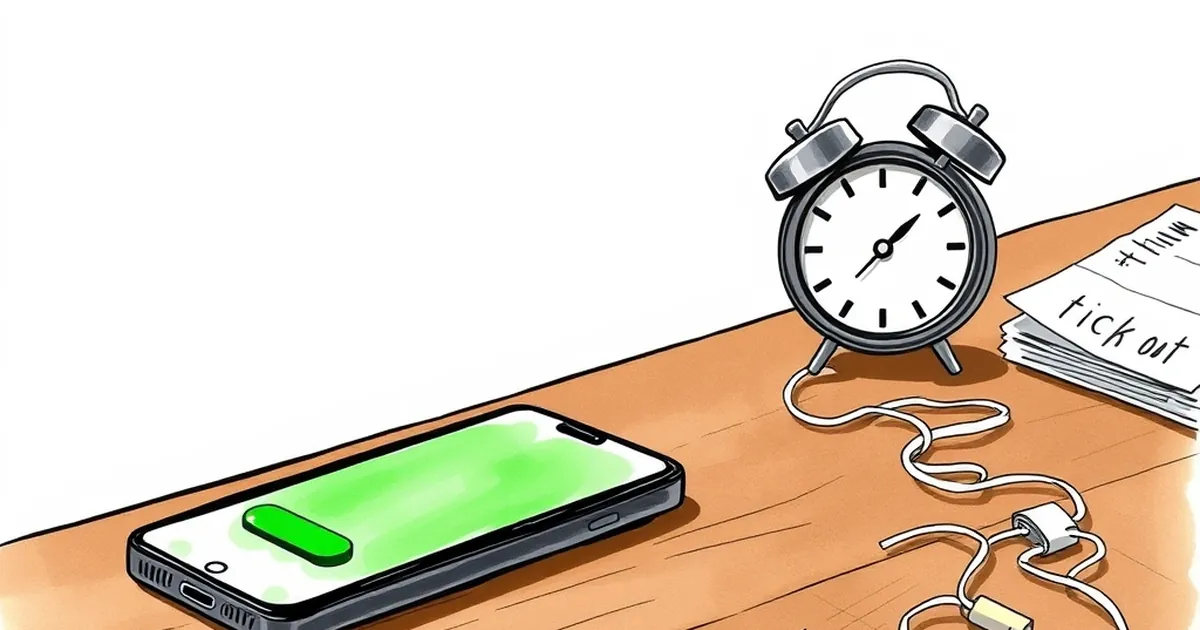
The cash-out button gives you three seconds to decide. The settlement email, if it ever arrives, gives you two days to work out why the number was smaller than the screen suggested. That gap — between an interface built for speed and a payout that needs explaining — is where most cash-out complaints begin. A cash-out is not a refund and not a hedge in any formal sense; it's a one-off offer from the book, priced on the fly, and you either take the number or you don't.
The offer is a price, not a payout
When you hit cash out on a live bet, the sportsbook isn't handing back "your stake minus a bit." It's quoting you a new price for the position you're holding. That price reflects three things: the current live odds, the time left in the event, and a margin the book keeps for making the offer at all.
That margin is the part nobody advertises. On a pre-match single, the book's overround might sit around 4–6%. On a cash-out quote in the last ten minutes of a football match, the effective haircut can be several times larger, because you're not shopping around — you're taking the only price on the screen, from the only counterparty willing to make it. Cash-out is a market with one participant on the other side. That's fine as a product. It's a poor deal if you assume it's a neutral exit.
The practical test: compare the cash-out figure to what the same position would be worth if you laid it off at a betting exchange, minus commission. If the exchange nets you noticeably more, the cash-out offer is telling you what the book thinks your bet is worth to the book, not what it's worth.
Why the number moves while you're looking at it
Live cash-out quotes are re-priced on a timer — often every few seconds, sometimes faster on high-liquidity markets. The figure you tap is a snapshot. By the time the request reaches the server, the underlying odds may have shifted, and the book either honours the displayed number within a short tolerance window or rejects and re-quotes. Most operators publish that tolerance somewhere in the terms; almost nobody reads it. If your cash-out "failed" or came back at a different amount, this is usually why, not malice.
The three-second problem
Speed is the design goal, and speed is where the trouble starts. A cash-out prompt on a phone, mid-match, with a countdown running, is close to a reflex test. There's no cooling-off period, no confirmation step on most apps, and no summary of what you're giving up.
The asymmetry is stark. Placing a bet usually requires at least a stake confirmation. Cashing out — a decision that closes your position permanently — often needs one tap. Some operators have added a hold-to-confirm gesture, which helps, but it's inconsistent across brands and markets.
Part of the issue is that cash-out is genuinely useful when used deliberately. Taking a profit on an accumulator that's three legs home and one to go is a reasonable risk decision. The same button, pressed on impulse during a bad run, is a way to convert a live bet into a smaller certain loss — and to do it repeatedly, which is how small haircuts compound.
What the terms actually say
The settlement side is where the two-day lag lives. Cash-out terms vary more than players expect, and the differences matter:
- Suspended markets. If the event is in a period where betting is suspended (a goal being checked, a VAR review, a break in play), cash-out is typically unavailable. The button greys out. That's normal and disclosed, but it's the single most common source of "the app wouldn't let me cash out" complaints.
- Partial cash-out. Many books let you take part of the position. The remainder stays live at the original odds. This is often the better play, and it's buried a menu deeper than the full cash-out button.
- Void and dead-heat rules. If the market settles as a void or a dead heat after you've cashed out, the cash-out stands — you don't get the original stake back, and you don't get the full win either. Players who cash out and then watch their selection win anyway often expect a top-up. There isn't one.
- Bonus-funded bets. Cash-out on a bet placed with bonus funds is frequently restricted or returns only the bonus portion. Check before you build a bet you plan to exit early.
The two-day delay isn't usually a payment delay — it's the time it takes for the event to settle and for the operator's records to reconcile the cash-out against the original bet. When the email finally lands, it often quotes the cash-out value without showing the live odds at the moment of acceptance, which makes it near-impossible to verify the price you got.
The numbers worth knowing before you tap
Here's the anchor that should shape how you use the feature: on a typical in-play football cash-out offer, the effective margin the book takes can run north of 10% of the fair value of the position — often two to three times the overround on a standard pre-match market. On a £50 position that's not a rounding error. Across a season of impulsive cash-outs it's the difference between a hobby that roughly breaks even and one that steadily leaks.
That figure isn't fixed. It widens in low-liquidity markets (niche leagues, minor sports, obscure prop bets) and narrows on high-volume markets where the book has more confidence in its live pricing. It also tends to widen late in an event, exactly when players are most tempted to lock in.
The responsible-gambling angle here isn't "don't cash out." It's that a feature designed to feel like control can function as the opposite if it's used on reflex. If you find yourself cashing out most bets you place, that's worth noticing — not as a moral failing, but as a signal that the bet sizes or the markets aren't matching your actual risk appetite. Most operators let you switch cash-out off entirely in account settings. Turning it off for a month is a cheap experiment.
The open question
The industry has spent years optimising the accept side of cash-out — one tap, sub-second quotes, prominent placement. It has spent comparatively little on the explain side. No major operator, as far as I can find, shows you the live odds and the implied margin at the moment you accept, in a form you can save and check later.
So the question isn't whether cash-out is good or bad. It's whether a product that asks for a decision in three seconds can ever be honest about a price that takes two days to reconstruct. Until the receipt matches the button, the smart play is to treat the number on screen as an opening offer from a counterparty who can see your position and you can't — and to price it accordingly, or not tap at all.