Self-exclusion blocks the casino, not the 8 sportsbook apps
Self-exclusion often blocks only the operator you chose, leaving other sportsbook apps open to deposit and bet the same day
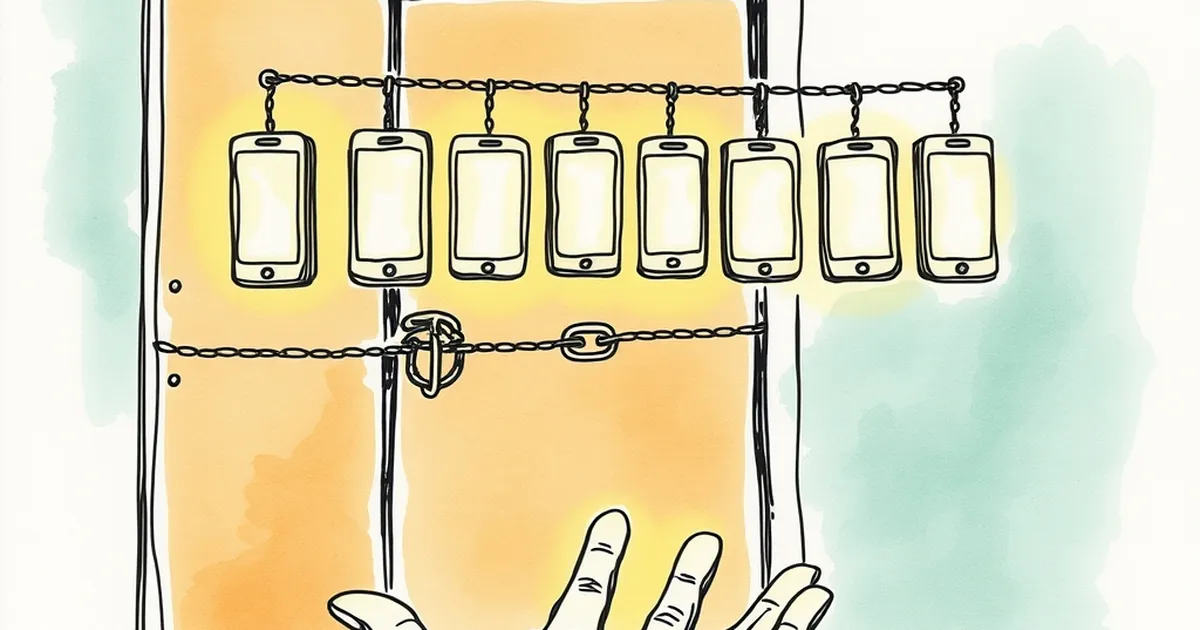
Self-exclusion is usually sold as a single switch: flip it, and gambling stops. In practice, it stops the operator you flipped it with. A player who self-excludes from an online casino in, say, Ontario or Malta can still open eight sportsbook apps the same afternoon, deposit, and bet, because most self-exclusion registers are operator-level, not market-level. The block follows the brand, not the person.
One register, one operator, one gap
The mechanics matter here. When you self-exclude, you're typically added to that operator's internal list, sometimes to a shared list within a corporate group, and — depending on jurisdiction — to a national scheme. Those three things are not the same, and the difference is where the gap lives.
Take the UK. GAMSTOP is the closest thing to a true market-wide register: one form, one 6 or 12-month minimum term (you can extend, not shorten), and licensed operators are required to check it before letting you play. That's a genuine cross-operator block. But GAMSTOP covers operators licensed by the UK Gambling Commission. An offshore sportsbook that accepts UK players without a licence isn't checking it, and no amount of policy intent changes that.
Now compare a market without a national scheme. In several US states, self-exclusion is run per-operator or per-state gaming authority, and the state list may only cover casinos and retail sportsbooks, not every mobile skin riding on a licence. A player can exclude from a DraftKings account and still be live on a FanDuel account, or on a smaller app sharing the same licence but running its own compliance stack.
The uncomfortable number: a 2022 UK study of GAMSTOP-registered users found that a meaningful share continued gambling after self-excluding, largely through operators outside the scheme or through accounts that predated the registration. The register worked as designed. The design just has edges.
Why eight apps is not an exaggeration
Count the surfaces a single player can reach in one market.
A typical regulated market might host:
- Two or three large national sportsbooks
- A handful of casino-and-sports hybrids
- Several white-label brands sharing backend infrastructure but separate front-ends
- One or two exchange or pool-betting products
- Offshore operators with local payment rails
That's easily eight distinct apps on a phone, each with its own login, its own deposit flow, and — critically — its own self-exclusion record. If you exclude from one, the other seven don't know.
This isn't a loophole in the legal sense. It's how the products were built: separate legal entities, separate licences, separate responsible-gambling obligations. The player experiences it as one market. The regulator experiences it as dozens of licensees. The gap is structural, not accidental.
The group-level question
Some operators do better than the minimum. A few apply self-exclusion across every brand in their corporate group, so excluding from the sportsbook also closes the casino skin and the poker room. That's the right instinct, and it's worth checking before you trust a single exclusion to cover a group.
But group-level isn't market-level either. It protects you from one company. It doesn't protect you from the company next door, and it certainly doesn't protect you from the app that advertises during the same match you're trying not to bet on.
What actually blocks across operators
If the goal is to stop, not to demonstrate intent, the tools that work are the ones outside the operator's control.
National self-exclusion schemes. GAMSTOP in the UK, Spelpaus in Sweden, OASIS in Germany, and similar registers in Australia and parts of Europe. These are the strongest single lever because they sit above the operator and are enforced at licence level. If your market has one, use it — and note the minimum term, which is often 6 or 12 months with no early exit.
Payment and device blocks. Gambling-blocking software (Gamban, BetBlocker, and similar) filters at the device or network level, so it doesn't care which app you installed. Bank-level blocks and card restrictions add a second layer. These are blunt, but blunt is the point.
The uncomfortable one: deleting accounts, not just excluding. Self-exclusion with one operator while keeping an active account at seven others is a half-measure. Closing the accounts is slower and more annoying, which is exactly why it works better.
There's a practical test. Ask yourself: if I wanted to bet in the next ten minutes, how many taps would it take? If the answer is "two, because the app is still on my home screen and my card is still saved," the exclusion didn't do the job.
The regulatory direction of travel
Regulators know the operator-level gap is a problem, and the trend is toward consolidation. The UK's GAMSTOP model is the template others copy. Some US states have moved toward statewide self-exclusion lists that cover all licensed operators, and a few require operators to check a central register before account creation, not just at login.
The friction is commercial and technical. A shared register means shared data, shared liability, and shared cost. Smaller operators resist because compliance is expensive. Larger ones sometimes resist because a market-wide register makes it harder to win back a self-excluded customer later. Neither objection is unreasonable from a business standpoint, and neither changes the player's experience.
There's also a timing problem. Even in markets with a national scheme, enforcement depends on the operator checking it. If you self-exclude today, the block is only as reliable as the operator's next compliance check. In practice that's usually fast, but "usually" is doing work in that sentence.
The question that doesn't have a clean answer
Here's where it gets genuinely hard. If self-exclusion is meant to protect the person, not the operator's books, then a system that only blocks one brand at a time isn't really self-exclusion — it's account closure with extra steps. The player did the hard part: they asked to be stopped. The market's answer was to stop them from one app.
So the open question isn't whether the technology exists. National registers exist. Device blockers exist. Group-level exclusion exists. The question is whether a player in a fragmented market can reasonably be expected to assemble all of them, in the right order, on the worst day of their gambling life — and whether regulators will keep treating that as the player's job.
If you're in a market with a national scheme, use it and assume nothing about the apps that sit outside it. If you're not, the operator-level block is a start, not a solution. Either way, the number to remember isn't the RTP or the wagering requirement. It's the count of apps still on your phone after you thought you'd stopped.