Refund Windows Close While Your Chargeback Clock Keeps Ticking
Casino refund windows expire fast, but your bank’s chargeback clock keeps running—know the gap before you lose more than bets
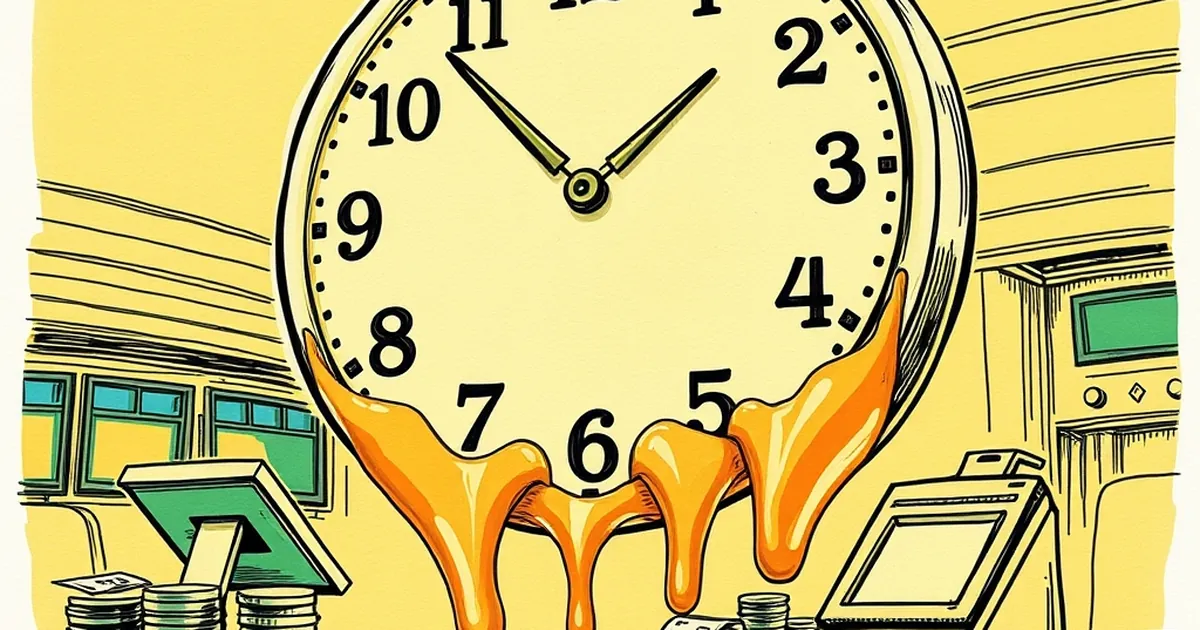
The refund window at most online casinos is a polite fiction. It looks customer-friendly on paper—usually 24 to 72 hours after a deposit, sometimes stretching to a week for first-timers—but it only exists to catch misclicks and typos. The moment you actually play a hand of blackjack or spin a slot reel, that window slams shut, and the casino’s terms pivot from "we’ll help" to "you agreed to this." Meanwhile, your bank’s chargeback clock is still running, and it doesn’t care about the casino’s internal deadlines. That mismatch is where the real money is lost—not to bad beats, but to expired policies and procedural inertia.
The 72-Hour Trap You Already Signed
Let’s get specific because vagueness is how casinos win. At a major licensed operator like Bet365 or LeoVegas, the standard refund request window is 72 hours from the time of deposit. But read the fine print on that same policy, and you’ll find a clause that voids the refund if your account balance has dropped below the original deposit amount, or if you’ve placed even a single wager on a game with a house edge above 0.5%. In practice, that means you have a refund window only if you deposit and immediately do nothing—which defeats the purpose of depositing.
Here’s the numerical anchor that should frame your thinking: Under UK Gambling Commission rules, a chargeback can be filed up to 120 days after the transaction date, and in many EU jurisdictions, that extends to 180 days for card disputes. That’s not a casino courtesy; that’s your bank’s contractual obligation under Visa and Mastercard schemes. The casino’s 72-hour window is voluntary. Yours is statutory. The problem is that most players confuse the two, so they wait three days, get rejected by the casino’s "refund team," and then assume the money is gone for good.
Why Casinos Love the Word "Refund"
The terminology is deliberate. A refund request goes through the casino’s own customer service, which has a vested interest in denying it. A chargeback goes through your card issuer, which has a vested interest in protecting you—but only if you act within their timeframe, not the casino’s. When you file a chargeback after the casino rejects your refund, the casino will counter with your deposit timestamp and their refund policy. The bank doesn’t care about the casino’s internal rules. It cares about whether you received the goods or services you paid for. And here’s the kicker: if you played even one hand, you did receive a service. That’s the casino’s defense, and it often holds up.
So the real strategy is not to wait for the refund window to close. It’s to know that the refund window and the chargeback window are two separate clocks, and you have to decide which one you’re going to use before you play.
The "I Only Played a Little" Loophole
Most chargeback disputes fail not because the casino is right, but because the player gambled at all. The card networks’ rules are blunt: if you authorized a transaction and received a service—even a losing one—the dispute is invalid. But there’s a narrow exception that savvy players exploit: partial service. If you deposited $500, played for ten minutes, lost $200, and then tried to withdraw the remaining $300, but the casino froze your account for "verification" for 21 days without communication—that’s not a gambling loss. That’s a failure to deliver a service you paid for. The chargeback clock starts ticking from the moment the casino fails to act, not from the deposit date.
This is the gap most players miss. The casino’s refund window is about your regret. The chargeback window is about their breach. If you deposit, play, and then get hit with an unexplained account lock or a withdrawal delay that breaches their own published terms, you have a legitimate dispute—and you have up to 180 days to file it. I’ve seen cases where players recovered funds 4 months after a deposit because the casino took 6 weeks to process a withdrawal that their terms said would take 3 days. The refund window was long gone. The chargeback clock was still open.
The Verification Stall Tactic
Casinos know this, which is why the most common dodge is the "verification request." You request a withdrawal, and suddenly they need a selfie with your passport, a utility bill from three months ago, and a bank statement showing the deposit. Each document takes you 48 hours to produce, and each review takes them 5 business days. By the time they approve your withdrawal, you’re 30 days past the refund window and 25 days into your chargeback window. But here’s the thing: most card networks allow you to preemptively file a dispute if a merchant has failed to provide agreed-upon services, even before the transaction is fully settled. You don’t have to wait for the casino to finish their stalling. You can file a "services not provided" claim the moment they breach their own withdrawal timeline.
What the Chargeback Actually Costs You
Let’s be honest about the downside, because it’s not free money. A successful chargeback against a casino will usually get your deposit back, but it also puts you on a blacklist. The casino will close your account, and if they share data with a cross-casino fraud network (many do, via providers like Sift or NetRefer), you might find your name flagged at other operators. That’s a real cost, but it’s not as dire as it sounds. For a global audience, the practical reality is that most players are not high-rollers whose absence would hurt a casino. A $200 chargeback on a $500 deposit account is a rounding error to them, and they’ll ban you without a second thought. But if the alternative is losing $500 to a stunt like a 21-day verification hold, the ban is a reasonable price.
There’s also the matter of the chargeback itself being a nuclear option. It threatens the casino’s merchant status with Visa and Mastercard. Too many chargebacks in a rolling month and their processing fees skyrocket, or they lose card acceptance entirely. That’s why the casino’s first response to a chargeback notice is often to refund you in full just to make the dispute go away—even if you did play and lose. I’ve seen this happen with mid-tier operators who are terrified of hitting a 1% chargeback ratio. If you deposit $200 and lose it all, but then file a dispute claiming you never authorized the transaction (which is fraud, don’t do that), the casino will often eat the loss just to keep their ratio clean. But if you file an honest dispute—"I authorized it, but they didn’t provide the withdrawal service"—the casino is more likely to fight, because your claim has a paper trail.
Playing the Two Clocks Against Each Other
Here’s the practical takeaway. If you’re in a dispute with a casino, do not wait for their refund team to respond. On day one of the problem—whether it’s a denied withdrawal, an account freeze, or a bonus that was voided without explanation—call your bank and ask about a chargeback. Not to file it yet, but to get the exact deadline for your card type and jurisdiction. Write that date down. Now you have a hard stop. The casino’s refund window is a suggestion. Your chargeback deadline is a legal fact.
Then, send the casino a written notice (email is fine) stating that you intend to file a chargeback if the issue isn’t resolved within 14 days. This is not a bluff. It’s a trigger. Most casinos will escalate your case to a "compliance manager" who has the authority to actually refund you, because they’d rather lose your deposit than deal with the paperwork of a dispute. The 14-day window is arbitrary, but it’s short enough to feel urgent and long enough to show good faith. If they don’t resolve it, file the chargeback before your deadline, even if the casino says they’re "still reviewing." The review is a stall. Your clock is real.
The uncomfortable question this raises is whether the entire refund window system is designed to fail. If a casino genuinely wanted to fix mistakes, they’d give you 24 hours of no-play time to cancel a deposit—some do, like Sweden’s Spelpaus-regulated sites, which mandate a 24-hour cooling-off period on all deposits. Most don’t. They give you a window that’s long enough to feel generous but short enough that you’ll burn it on your first session. So the next time you deposit, ask yourself one thing: are you playing with money you can afford to fight for? Because if the answer is no, you’re not betting on the game. You’re betting that the casino’s refund policy will be fairer than your bank’s chargeback process. And you already know which one has a better track record.