Deposit Screens Spin While Your Chargeback Clock Ticks
Chargeback deadlines ignore casino deposit screen delays, so waiting on bonuses or withdrawals can silently cost you your dispute window
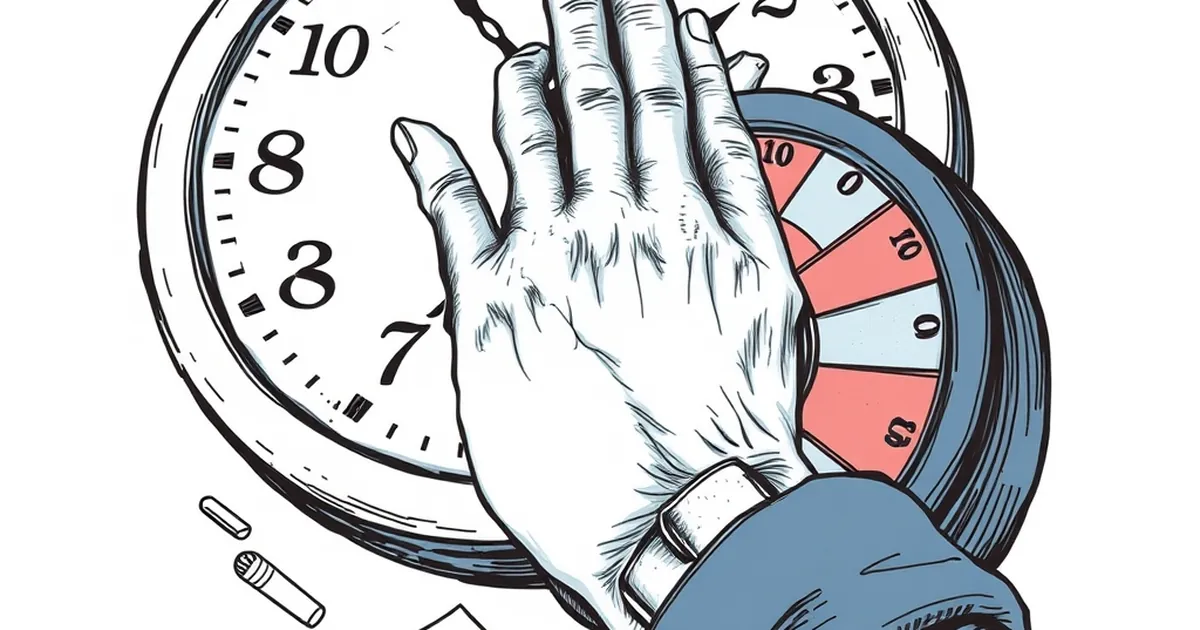
The chargeback window for most credit and debit card deposits is a fixed 120 days from the transaction date, but the casino’s deposit screen doesn’t pause that clock while you wait for your bonus to convert or your withdrawal to clear. The result is a brutal asymmetry: you can lose access to your funds for a week on a pending withdrawal, yet the bank’s countdown keeps hammering away in the background. Most players only realize this when they try to dispute a charge after day 119 and find the door locked shut.
The 120-Day Cliff Is the Only Clock That Matters
Let’s get the anchor number on the table: 120 days. That’s the standard time limit for a card chargeback under the Visa and Mastercard dispute rules, though some issuing banks stretch it to 180 days for certain error codes. The clock starts on the date of the original deposit transaction, not on the date you hit a losing streak, not when you requested a withdrawal, and not when the casino’s "account investigation" finally concludes.
Here’s the trap. You deposit £500 on January 1. You play, you win, you request a £2,000 withdrawal on March 15. The casino says "pending verification" for three weeks, then approves it, but the payment processor takes another ten days to push the money through. On April 20, the funds land. You’re happy. But what if the withdrawal had been rejected on a technicality on April 25? Now it’s May 1, and you’ve got exactly 120 days minus the 120 days from January 1 — which is zero. You’ve got no chargeback option left, even if the casino’s terms clearly state you’re entitled to that withdrawal.
The deposit screen spinning on "processing" for an hour is cosmetic. The real countdown is the one ticking on your bank’s statement. Every day you wait for a bonus to be credited, every day a withdrawal sits in "queue," is a day burned off that 120-day fuse. The casino knows this. The banking system knows this. The only person who forgets is the player staring at the progress bar.
Why the Spinning Deposit Screen Is Worse Than a Server Lag
Casinos have an incentive to slow down the deposit-to-play pipeline, and I’m not talking about conspiracy theories. I’m talking about the practical reality of payment routing. When you deposit via card, the transaction is often authorized instantly, but the settlement can take 2–3 business days to clear the acquiring bank. During that window, the casino has your money, and you have a "pending" balance.
Now, here’s the kicker: if you hit a bonus that requires a deposit to activate, and that bonus doesn’t trigger because the system is waiting for settlement, you’ve got a choice. Wait for the bonus to appear (burning days) or play with the "live" balance that’s actually credited but not yet settled. If you play and lose, you’ve got no claim that the game was rigged — you chose to play. But if you play and win, the casino might void the win because the bonus wasn’t active when you started.
The chargeback clock doesn’t care about any of this nuance. On day 121, your bank will refuse the dispute, full stop. The casino can hold your funds for a "security review" for 30 days, and by the time they release them, you’ve got 90 days left on your chargeback window. That’s still workable. But if they hold for 60 days, you’re down to 60. And if they hold for 90 days, you’ve got 30. Most players don’t track this arithmetic until it’s too late.
The "Pending Withdrawal" Loophole That Backfires
Some players think that requesting a withdrawal and then canceling it "pauses" the transaction, thereby resetting the clock. It doesn’t. Canceling a withdrawal doesn’t reset the original deposit date. It just marks the withdrawal request as void, and the funds return to your playable balance. The chargeback window is still counting from the deposit date.
The only thing that resets the clock is a new deposit. And that’s where the casino’s bonus offer becomes a mousetrap. They dangle a "reload bonus" on day 110 of your original deposit. You deposit £100 to get the bonus, thinking you’re getting value. But now you’ve got a new deposit date, and the old one is about to expire. If you try to dispute the original £500 deposit on day 115, you’ll get a partial win — the bank will only cover the £100 you just deposited, not the original £500, because that one is past the window.
The Real-World Math of a Delayed Bonus
Let’s run a concrete example. You deposit €200 on June 1 at a casino with a 100% match bonus up to €200. The bonus terms say it activates "within 24 hours." You wait. On June 3, it’s still not active. You contact support, they say there’s a "technical issue" with your payment provider. On June 7, the bonus finally lands. You’ve burned 6 days of your 120-day window, but that’s fine — you’ve got 114 left.
Now you play through the bonus, hit a €1,500 win, and request a withdrawal on June 15. The casino puts it in "manual review" because of the win amount. They ask for ID verification, proof of address, and a selfie with your passport. You comply on June 16. They don’t respond until June 28, saying the documents are "blurry." You resubmit on June 29. They approve on July 10. The withdrawal is sent to your card on July 12, and it takes 5 business days to arrive, so you see it on July 19.
Total time from deposit to cash in hand: 48 days. You’ve got 72 days left on the chargeback clock. That’s comfortable. But what if the casino had rejected your withdrawal on July 10, citing a "bonus abuse" rule you didn’t see? Now you’re in dispute territory. You email, you chat, you call. No response. You file a chargeback on July 20, day 49 of your deposit. The bank opens a case, the casino responds a week later with terms and conditions that allegedly show you violated the bonus. The bank takes 30 days to make a decision. It’s now August 20, day 80. If they rule against you, you can appeal, but that’s another 30 days, putting you at day 110. You’re still inside the window, but just barely. If the casino had delayed the initial withdrawal rejection by just two more weeks, you’d be past the cliff.
What the Industry Doesn’t Tell You About Chargeback Arbitration
Here’s the part that rarely gets discussed: when you file a chargeback, the casino doesn’t just roll over. They have a team that responds to every dispute with a "rebuttal" — a document packet that includes your deposit history, your gameplay logs, and their terms and conditions. The bank isn’t a gambling regulator. They don’t care about fairness; they care about whether you got what you paid for.
If you deposited and played, you got the "service" — the casino would argue that playing a game is a service, even if you lost. The bank often agrees. The only chargebacks that win consistently are for deposits where no gameplay occurred at all (e.g., you deposited, the system errored, and you never got a balance) or for withdrawals that were approved but never sent. The gray zone is when you played and lost, then discovered the casino has a 50x wagering requirement on that bonus. That’s not a chargeback issue; that’s a regulatory complaint, and the bank will tell you to go to the licensing authority.
This is why the 120-day clock matters more than the game’s RTP. A slot with a 96.5% RTP over 10,000 spins will grind you down slowly, but a deposit that’s held in limbo for 60 days can destroy your chargeback rights entirely, regardless of whether you won or lost. The casino’s worst-case scenario isn’t you winning; it’s you winning and then waiting too long to dispute a non-payment.
The Open Question: Should You Time-Stamp Every Deposit?
The practical takeaway isn’t to stop using cards — it’s to treat every deposit date as a legal deadline. Set a calendar reminder for day 90 after each deposit. If you have a withdrawal pending or a bonus that hasn’t activated by day 90, you should be escalating to the casino’s compliance team, not their chat support. And if you’re past day 100 with no resolution, you’ve got a choice: accept the loss or file the chargeback immediately, even if it means forfeiting a pending bonus.
The deeper question is whether the industry will ever align its own timelines with the banking system’s. Casinos routinely hold withdrawals for "security checks" that last longer than the chargeback window itself, and they do this without any penalty. Some jurisdictions, like the UK, require casinos to process withdrawals within 48 hours of approval, but that’s approval time, not the initial request time. A casino can sit on a withdrawal request for 45 days and face no regulatory action, as long as they eventually approve it.
So here’s the thought to leave you with: if the chargeback window is a hard 120-day limit, and the casino can hold your funds for up to 90 of those days without breaking a rule, then the system is designed to let the casino win by simple attrition. The only question is whether you’ll start tracking your deposit dates like they’re expiration dates on perishable goods — or whether you’ll keep assuming the spinning screen means someone is working on your behalf. They’re not. The clock is the only thing that’s working, and it’s working against you.