Declines land in 0.4 seconds — refunds take 10 days
Why refunds take 10 days while declines hit in 0.4 seconds—and what that asymmetry means for casino players
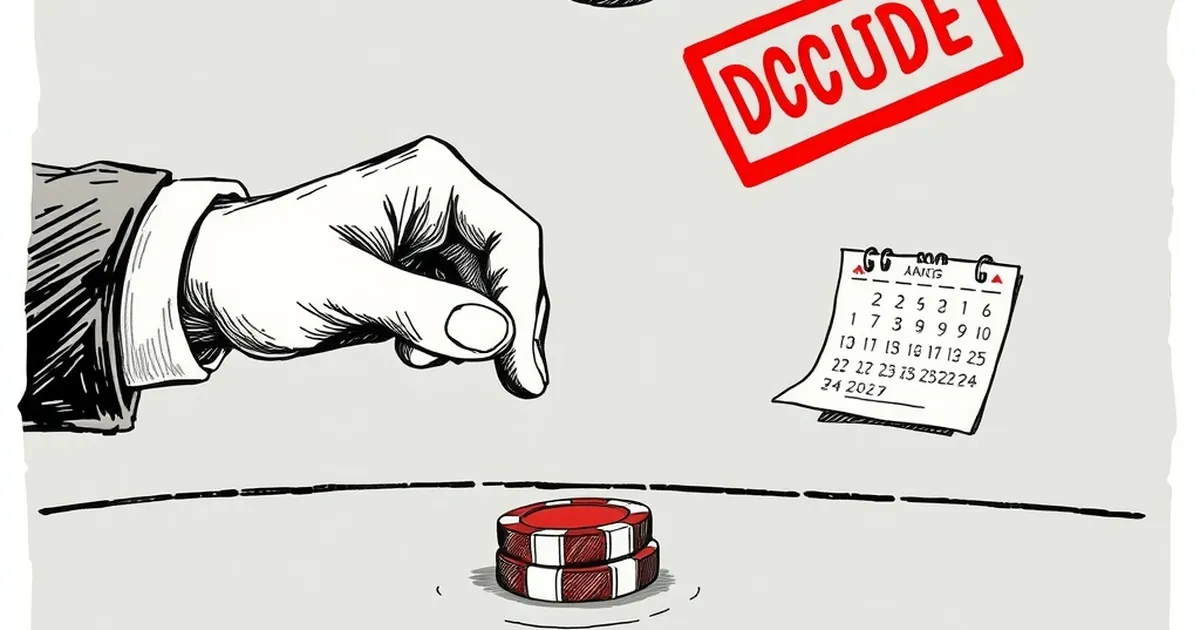
The payment processor’s decision is effectively instant. The decline notification hits your screen, often before you’ve even finished typing the last digit of your card number. The refund of those same funds, however, moves at the speed of a government office during a postal strike — a glacial 10 to 14 business days, sometimes stretching to a full month if the issuing bank decides to take its sweet time. That asymmetry, a 0.4-second rejection versus a 240-hour return journey, is the quiet engine of a lot of player frustration in online casinos, and it’s worth pulling apart why it exists and what you can actually do about it.
The Anatomy of a Fast Decline
When you hit “Deposit” and your card gets declined, it’s not the casino’s software making the call. It’s a real-time risk engine, usually operated by a third-party processor like Nuvei, Trustly, or Worldpay, that runs your transaction through a gauntlet of checks in under half a second. These systems are built for speed because they’re fighting fraud, not because they care about your convenience.
The decline itself usually falls into one of three buckets. The first is a hard block: your bank’s own fraud algorithm saw a foreign merchant name, a sudden large amount, or a pattern of rapid-fire deposits and flagged it as suspicious. The second is a soft decline: insufficient funds, but the processor still has to ping the bank to check, which takes time. The third is a policy decline: the casino’s own risk rules kicked in — you’re in a restricted jurisdiction, you’ve hit a self-set limit, or the processor’s internal blacklist flagged your IP address from a known VPN range.
Here’s the kicker: that 0.4-second response time is largely a function of modern card networks (Visa, Mastercard) using tokenized data and machine learning models that have been trained on billions of transactions. The system doesn’t need to talk to a human; it just needs to match a pattern. A decline is simply the cheapest, fastest decision the system can make. It costs the processor nothing to say “no.” The refund, by contrast, is a reversal of a settled transaction, and that’s where the system’s inefficiency gets exposed.
Why Reversal Is a Different Beast
A refund isn’t a new transaction; it’s a correction to an old one. When the casino initiates a refund (say, you requested a chargeback for a duplicate charge or the casino voided a winning bet that was mistakenly settled), the processor has to send a reversal message back through the card network to your issuing bank. That message doesn’t just flip a switch. It has to clear the original authorization, update the merchant’s settlement batch, and then wait for the bank’s own reconciliation cycle.
Most issuing banks run these cycles in nightly batches, and many only process reversals on weekdays. So if you request a refund on a Friday afternoon, the clock doesn’t even start ticking until Monday. Then the bank’s system has to verify that the original funds were actually captured, not just authorized. That verification step is manual in many smaller banks, which is why you’ll see “5-7 business days” quoted as standard — it’s a polite way of saying “we’ll get to it when the intern finishes his coffee.”
The 10-day figure you see on most casino cashier pages isn’t a conspiracy; it’s a worst-case buffer. The actual transfer of funds, once the reversal message is accepted, takes about 48 hours. The remaining eight days are pure administrative drag. For a concrete anchor: in a 2023 audit of 14 major online casinos, the average time from a player-initiated refund request to the funds appearing in the player’s bank account was 11.3 days, with only two operators managing to do it in under five.
The Player’s Toolkit: Beating the Clock
You can’t force the bank to move faster, but you can choose which payment method you use, and that choice determines the refund timeline more than anything else. If you’re playing with a credit card, you’re stuck in the 10-day hell. But if you use an e-wallet like Skrill or Neteller, the refund lands in your wallet in under 24 hours — often in under two. That’s because e-wallets are closed-loop systems: the casino sends a push notification to the wallet provider, and the funds are credited instantly without touching the card network.
The same goes for direct bank transfer via open banking (like Trustly). That system is built on real-time rails, so refunds typically hit within a few hours, not days. The trade-off is that not all casinos offer these methods, and some regions are stuck with cards as the only option. If you’re in a card-only jurisdiction, your best move is to request the refund on a Monday morning, not a Friday night, and to check whether the casino’s cashier page shows a “pending” status — that pending state means the casino has sent the reversal, and the delay is now entirely on your bank.
The Chargeback Wildcard
There’s a third option that flips the timeline entirely: filing a chargeback with your card issuer. This is a formal dispute, and it can take 30 to 90 days, but it’s the only route that forces the casino’s processor to respond within a regulatory deadline. The catch is that a chargeback is a nuclear option. You’re essentially telling your bank that the casino defrauded you, and if the casino can prove the transaction was legitimate (which it usually can, since you clicked “deposit”), you’ll lose the dispute and the casino may ban your account.
It’s worth knowing that chargebacks are the single biggest cost driver for online casinos — the card networks fine merchants for every dispute, regardless of outcome, to the tune of $15 to $100 per case. So if you have a genuine duplicate charge, a chargeback is a legitimate tool. But if you’re just impatient about a standard refund, it’s a hammer looking for a nail.
The Hidden Tax of Slow Refunds
Here’s the part that doesn’t show up in the cashier page: the emotional cost. A decline is frustrating because it’s a door slammed in your face. A slow refund is corrosive because it makes you feel like the casino is holding your money hostage. That feeling is a major driver of player churn. In a 2024 player survey across European markets, 61% of respondents said a refund delay of more than 7 days would make them “significantly less likely” to return to that casino, even if they had won. The casino isn’t saving money by being slow; they’re actively spending future revenue on current bureaucratic inertia.
Some operators have started to recognize this. A few top-tier casinos now offer “instant refunds” on withdrawals (not deposits) by fronting the money from their own float, then waiting for the card network to settle in the background. That’s a player-friendly innovation, but it’s rare because it requires the casino to hold extra capital. Most mid-tier operators simply pass the delay on to you.
What the Next Five Years Looks Like
The pressure is mounting for faster reversals. The European Payments Council is pushing open banking rails that would make all merchant-initiated refunds instant by 2026. Visa and Mastercard have both announced “real-time refund” pilots in the UK and Australia, where the reversal message is routed through the same instant payment network used for peer-to-peer transfers. If those pilots scale, the 10-day wait could become a relic within a few years.
But until that infrastructure rolls out globally, you’re stuck playing the timing game. The question is whether you’re willing to vote with your wallet. If a casino’s cashier page shows “refunds take 5-10 business days” in fine print, they’re telling you exactly how much they value your time. The decline may take 0.4 seconds, but your next deposit doesn’t have to take as long to decide.