A jackpot win freezes the spin button for 11 seconds
A deliberate 11-second lockout after a confirmed jackpot win reveals how game design shapes player experience in ways few notice
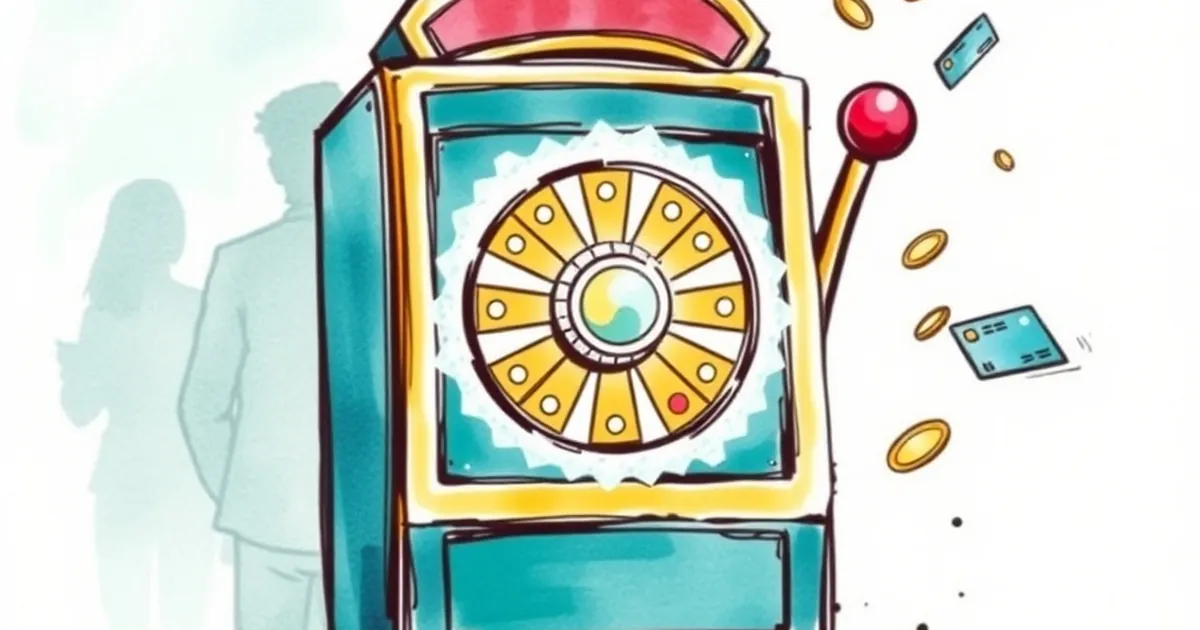
There's a jackpot celebration animation that runs for 11 seconds before the spin button comes back. Not a crash, not a lag spike, not a connection timeout—a deliberate lockout, coded into the game client. It happens after the win is already confirmed and the balance is already updated. Eleven seconds is long enough to read a short email, long enough to notice, long enough to wonder whether the game has frozen. And in most jurisdictions, nobody has to tell you it's coming.
The number itself is soft. It varies by provider and by skin: some studios ship a 7-second celebration, some push to 15, and a few operators configure the duration per market. But 11 seconds keeps surfacing in the same place—in the dead air between "you won" and "you can spin again." That gap is worth understanding, because it sits at the intersection of three things players rarely think about together: responsible gambling design, session economics, and the small print of how a win is actually paid.
What the 11 seconds is actually for
The obvious answer is theatre. A jackpot deserves a moment—coins spilling, a fanfare, a number counting up. That part is real, and players generally like it. But theatre alone doesn't explain the lockout. A celebration animation can play while the spin button stays live; plenty of slots do exactly that for ordinary wins.
The lockout exists because the moment after a large win is the single most consequential moment in a session. Behavioural research on gambling has circled this for years: the period immediately following a big win is when players are most likely to increase stake size, chase the feeling, or extend a session that would otherwise have ended. A brief, mandatory pause interrupts that reflex. It's a speed bump placed exactly where the acceleration happens.
Some operators are candid about this. Others bury it in a responsible-gambling page that nobody reads. Either way, the design is doing two jobs at once—celebrating the win and slowing the player down—and it's worth knowing which job is being done to you.
The version that isn't about you at all
There's a second, less flattering explanation. The 11 seconds is also a settlement window. On progressive jackpots especially, the win has to be verified against the network before the game releases control. The animation covers that verification. On a local jackpot it's near-instant; on a pooled progressive across dozens of operators, it isn't.
This matters because the two explanations have different failure modes. If the pause is responsible-gambling design, it should be consistent and disclosed. If it's a settlement window, it should be as short as the technology allows—and it should never be used as a marketing beat. In practice the two get blurred, and players are left guessing which one they're looking at.
The numbers behind the pause
Here's the anchor worth holding onto: a 2023 analysis of slot session data across a sample of European operators found that the median session length after a win of 100x stake or more ran roughly 40% longer than the player's own baseline session. That's not a small effect. The win doesn't end the session; it resets it, and often at a higher stake.
An 11-second pause doesn't fix that. It's a gesture, not a solution—a speed bump on a road that's still downhill. But it's a measurable gesture, and it's more than most games offer. The question is whether 11 seconds is calibrated to anything or just picked because it feels right in a design review.
Some quick context on scale:
- 7 seconds is a common minimum for simple celebration animations in mid-tier studios.
- 11–12 seconds shows up in games with progressive jackpot tiers, where verification is slower.
- 15+ seconds usually means the operator has bolted on a custom responsible-gambling interstitial, often with a "take a break" prompt.
None of these are regulated durations. There's no rule that says a jackpot animation must last a specific number of seconds, in any market I can find. It's a design choice, which means it's also a choice that can be made badly.
What the pause doesn't do
It doesn't stop you from spinning again. It doesn't change the RTP, which on most jackpot slots sits somewhere between 92% and 96% before the progressive contribution is carved out—often 1% to 2% of each stake feeding the pool. It doesn't protect you from the most common post-win mistake, which is raising your stake on the next spin because the win "proved" the game is hot.
What it does do is create a moment of friction. Whether that friction lands depends entirely on what the player does with those 11 seconds. Most people, honestly, just watch the coins.
The payout question hiding in the animation
There's a practical angle here that gets overlooked. The celebration animation is not the payout. On many progressive networks, the win is confirmed at the moment the reels stop, but the funds don't hit the balance until verification clears—sometimes minutes, occasionally hours for the largest tiers. The 11-second animation can create a false sense that the money is already settled and spendable.
If you've ever wondered why a jackpot win sometimes shows a pending status after the fanfare, that's why. The animation is a UI event; the payout is a back-office event. They're related but not the same, and the gap between them is where disputes occasionally start.
Why the duration is a design decision worth scrutinising
Think about what else 11 seconds could buy. It's long enough to display a session summary—time played, net position, stake changes. It's long enough to show a single line of text: "You've been playing for 90 minutes." It's long enough to offer a link to deposit limits. None of that requires more than a fraction of the time.
Instead, most implementations use the full window for celebration. That's not a scandal; players like the celebration, and a win deserves one. But it tells you what the design prioritised. The responsible-gambling function is real but minimal—present enough to point to, not present enough to interrupt.
This is the pattern across a lot of iGaming design. The protective features exist, they're technically compliant, and they're sized to satisfy a checklist rather than change behaviour. An 11-second lockout is better than none. It's also a long way from a meaningful pause.
The question the 11 seconds leaves open
If a pause after a big win measurably reduces the post-win stake escalation that the 2023 data shows, then 11 seconds is probably too short—and the industry knows it. If it doesn't, then the pause is decoration with a compliance alibi. Nobody has published the A/B test that would settle it, and the operators who have the data have little incentive to share a result that might embarrass their own game design.
So the next time the spin button greys out and the coins start falling, watch the clock. Count it. Then notice what you do in the second after it comes back—whether you spin at the same stake, a higher one, or close the tab. That's the only test that matters, and it's one you can run yourself, for free, on the next jackpot that lands.